
BESS Electrical Design
Complete electrical design for grid-scale battery energy storage — from DC blocks and PCS to MV collection and grid connection.
Full electrical design for battery storage
NEWATT delivers the complete electrical design for standalone and hybrid battery energy storage systems, covering the DC blocks, power-conversion system, MV collection and grid connection.
We integrate the studies, protection, earthing and safety interfaces the system needs to be bankable and grid-compliant.
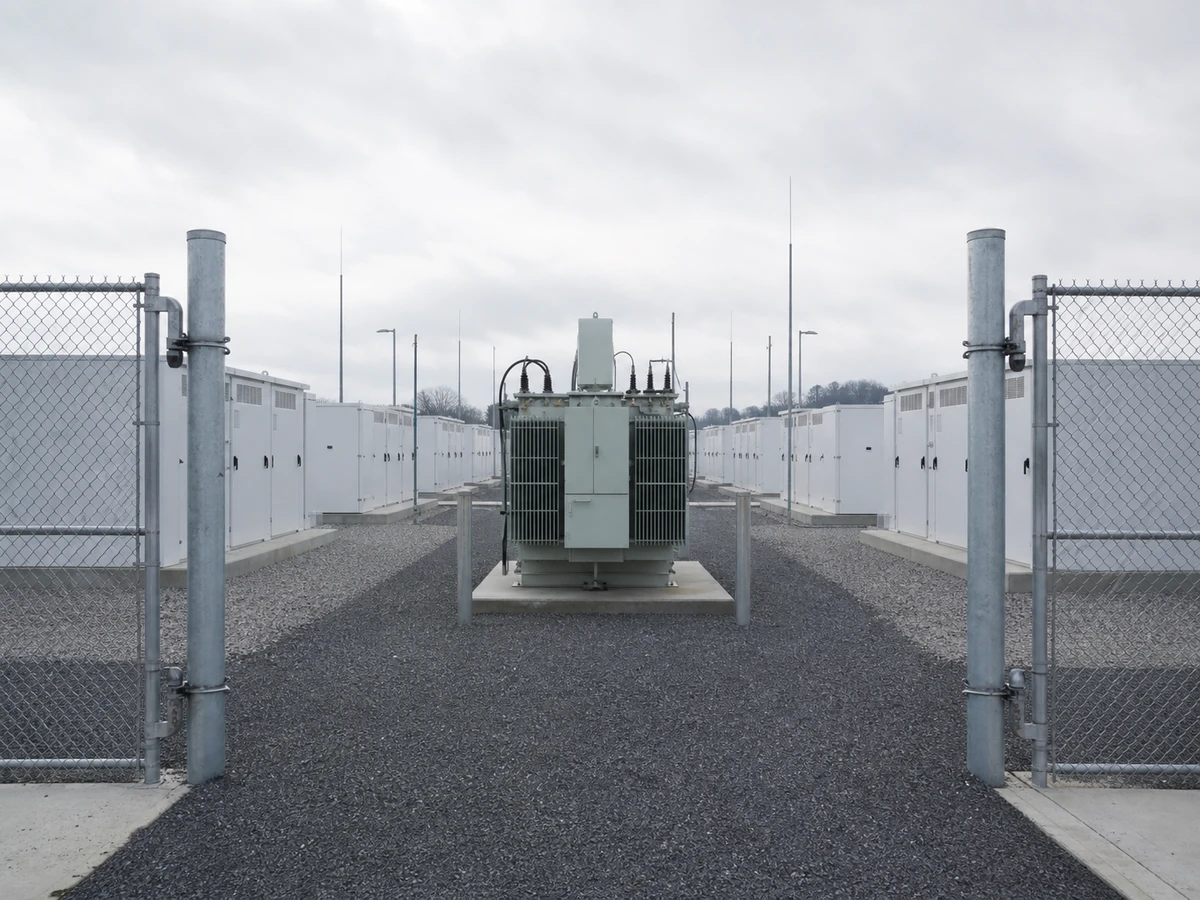
What this involves
Battery energy storage sits at the centre of the modern grid, and its electrical design spans DC, power conversion, MV collection and grid connection. NEWATT delivers the complete electrical design for standalone and hybrid grid-scale BESS projects.
We design the DC blocks and DC protection, integrate the power-conversion system, and design the MV collection, transformers and switchgear that take the plant to the grid. Protection, control and the grid interface are engineered together, and the studies, earthing and safety interfaces the system needs are built in from the start.
We also address grid-code compliance, round-trip efficiency and losses, earthing and the interfaces to fire-detection and safety systems. The result is a bankable, grid-compliant BESS design that performs as modelled and satisfies both the network operator and the lender.
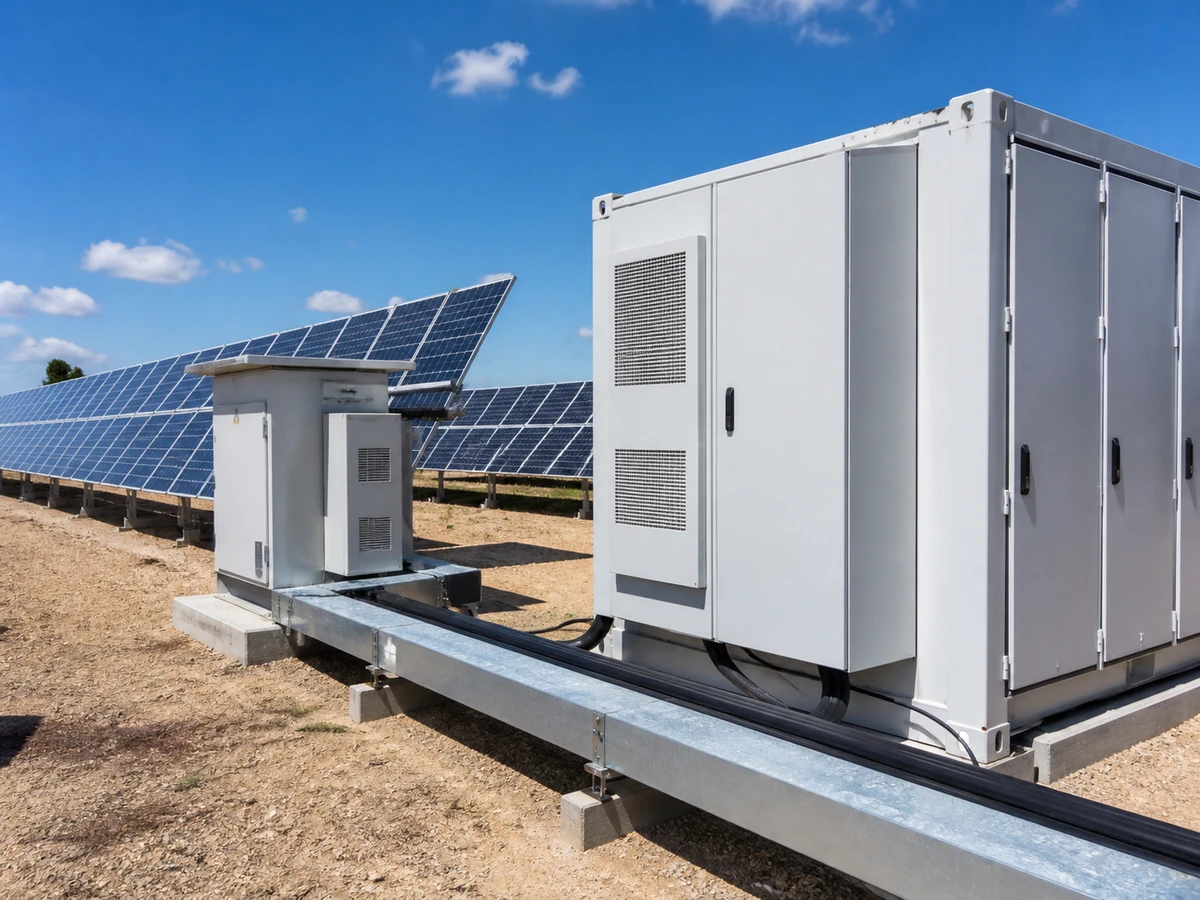
The electrical scope
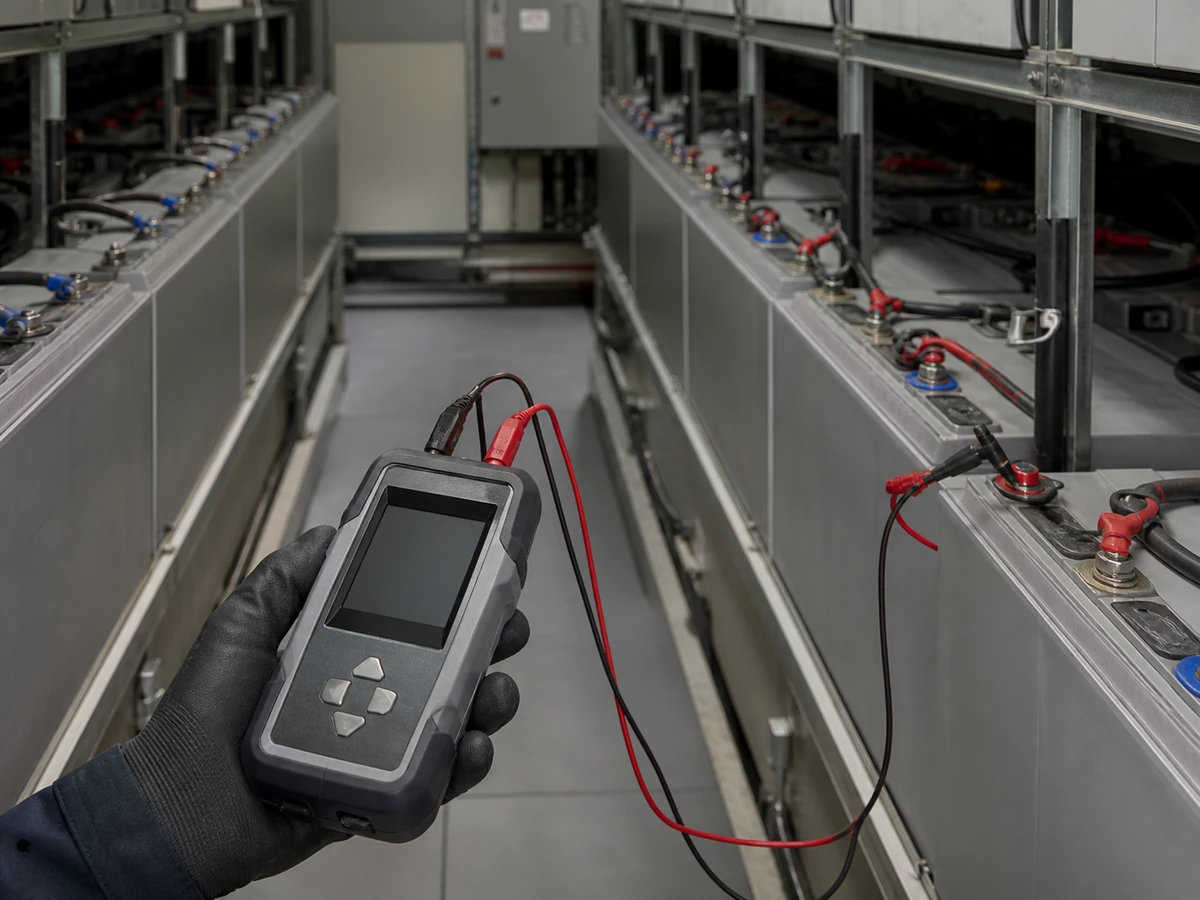
DC block & battery design
We size the battery DC block — string voltage, capacity and configuration — against the project's power and duration requirements, then design the DC collection and protection scheme around it. Battery chemistry, thermal management interfaces and enclosure electrical requirements are coordinated with the equipment supplier's data so the design matches the actual hardware being installed, not a generic assumption. DC cabling, fusing and disconnect arrangements are sized for both normal operation and fault conditions.
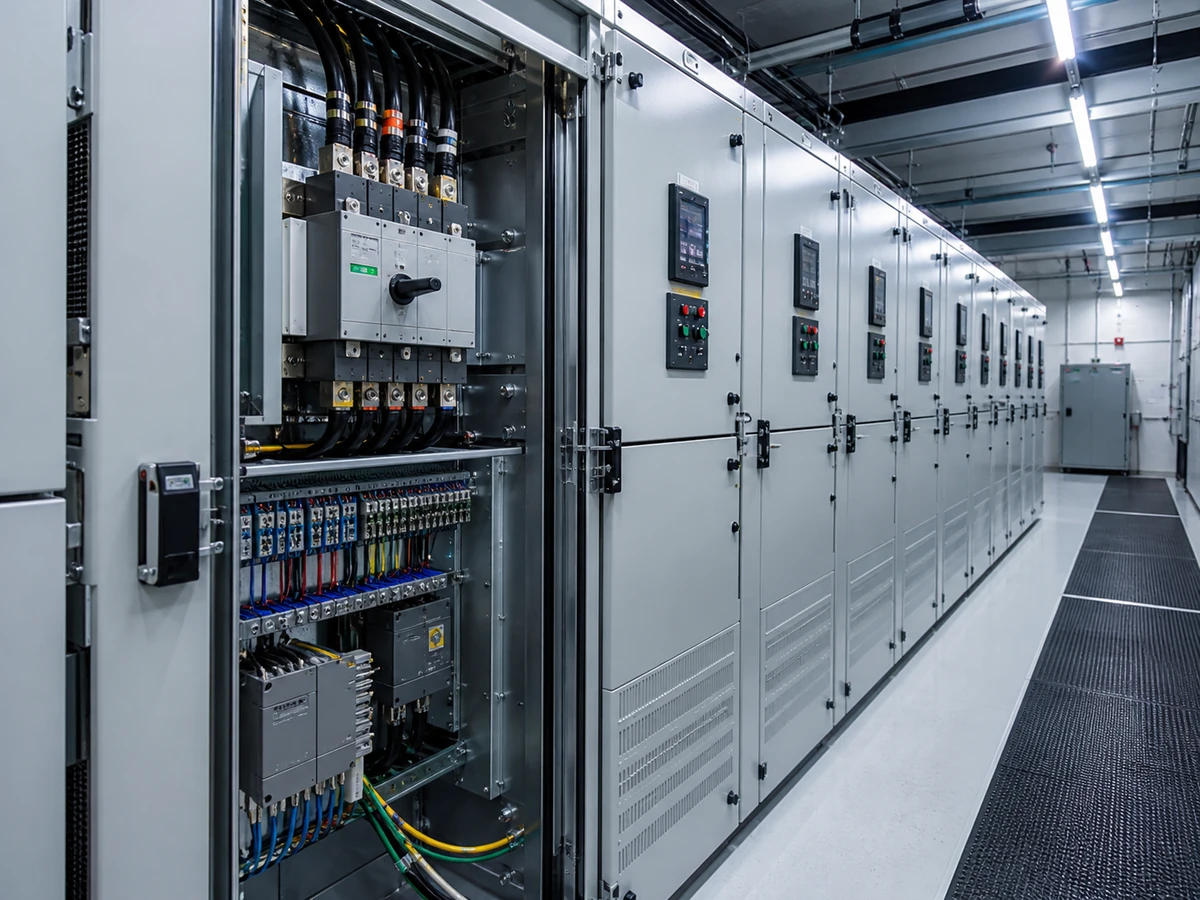
PCS / inverter integration
Power conversion system integration covers the AC and DC interface design between the battery blocks and the grid — cabling, protection, control signalling and the electrical infrastructure the PCS needs to operate safely. We coordinate PCS ratings, control modes and grid-support functions with the plant's interconnection requirements, checking that the PCS can actually deliver the reactive power and ride-through capability the grid code demands. Integration drawings tie PCS, transformer and MV switchgear into one coherent design.
MV collection & transformers
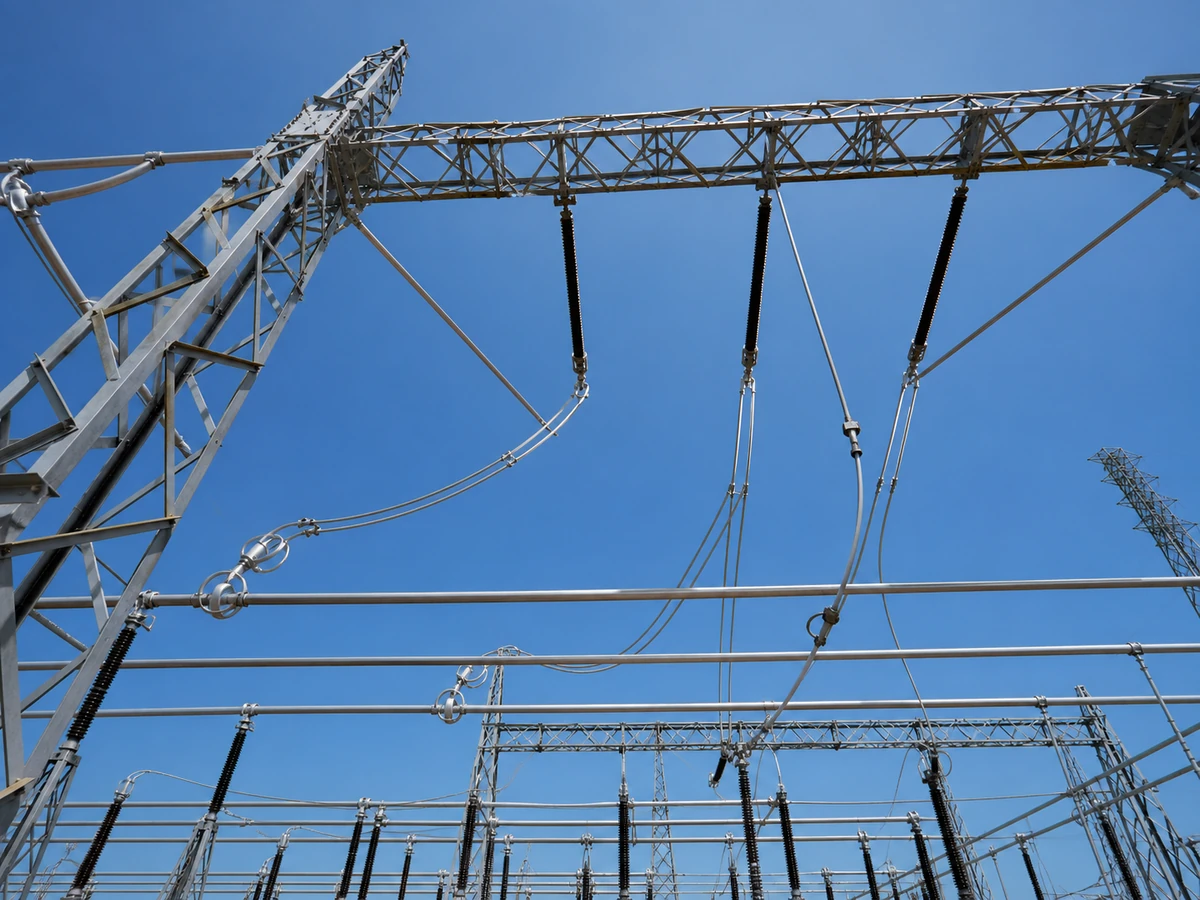
The MV collection network gathering power from each PCS or battery block back to the plant's point of interconnection is sized for the BESS's full charge and discharge current range, not just discharge. We specify step-up transformers matched to PCS output characteristics, size MV cabling and switchgear for the collection topology, and coordinate protection across the collection network so faults are isolated without tripping unaffected battery blocks unnecessarily.

Protection & control
Protection schemes for a BESS have to account for bidirectional power flow and fault contributions from both the grid and the battery system, which changes how relay settings and coordination studies are built compared with a generation-only plant. We design protection for DC and AC sides separately, coordinate settings across battery, PCS and grid-interface protection, and build the control logic that manages charge/discharge dispatch, safety interlocks and communication with the plant SCADA.
Studies & safety
Grid code compliance
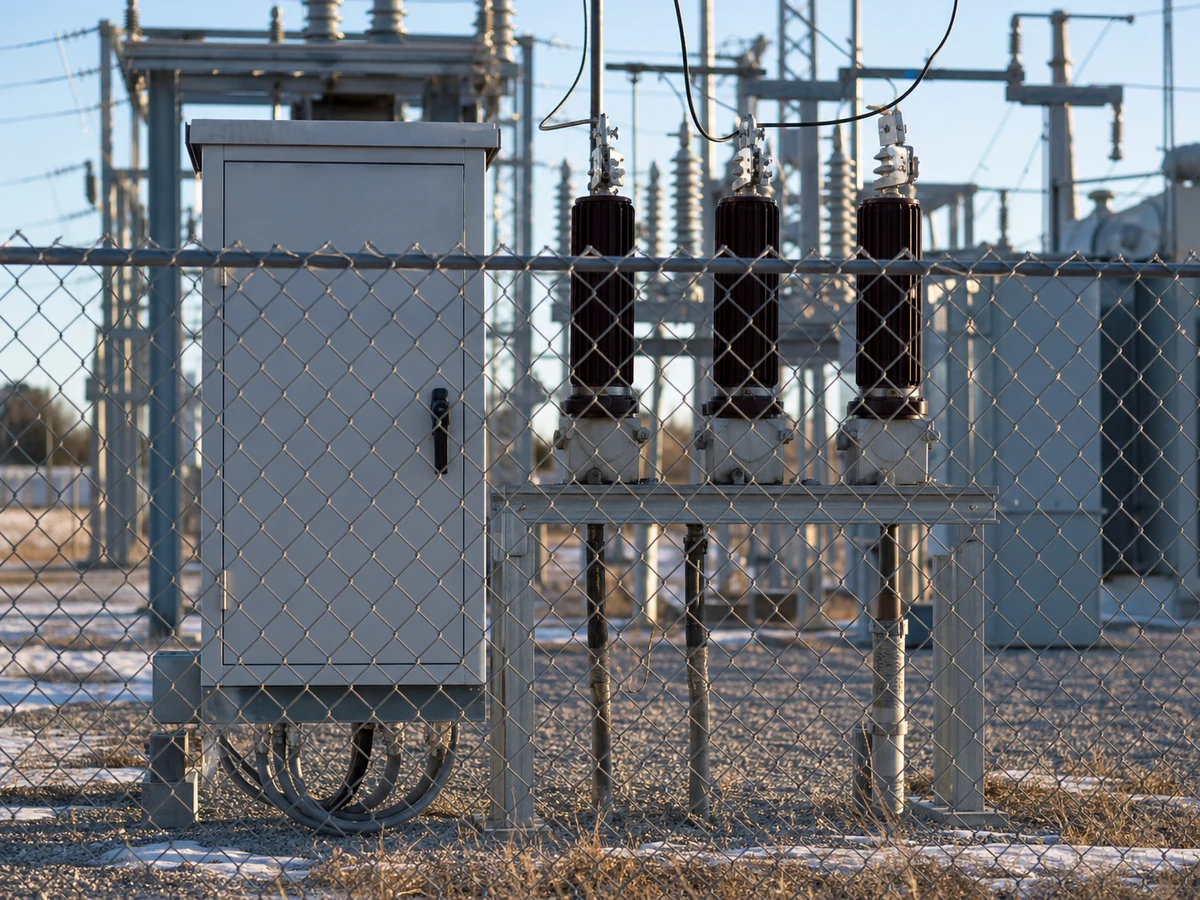
We run the studies that demonstrate a BESS meets grid-code requirements for frequency response, voltage ride-through and reactive power support — often the specific capability that makes storage valuable to the grid in the first place. Compliance studies are built around the actual PCS capability curves rather than generic assumptions, so the results the utility receives reflect what the installed equipment can genuinely deliver. Documentation is prepared in the format the interconnection process requires.

Round-trip & losses
Round-trip efficiency is modelled from PCS, transformer, cable and auxiliary load losses across a full charge/discharge cycle, giving the owner a realistic efficiency figure rather than a manufacturer datasheet number under ideal conditions. We factor in auxiliary power draw — HVAC, controls, fire suppression — which can be a meaningful share of losses on a BESS site. This feeds directly into the project's revenue and dispatch modelling.
Earthing & safety
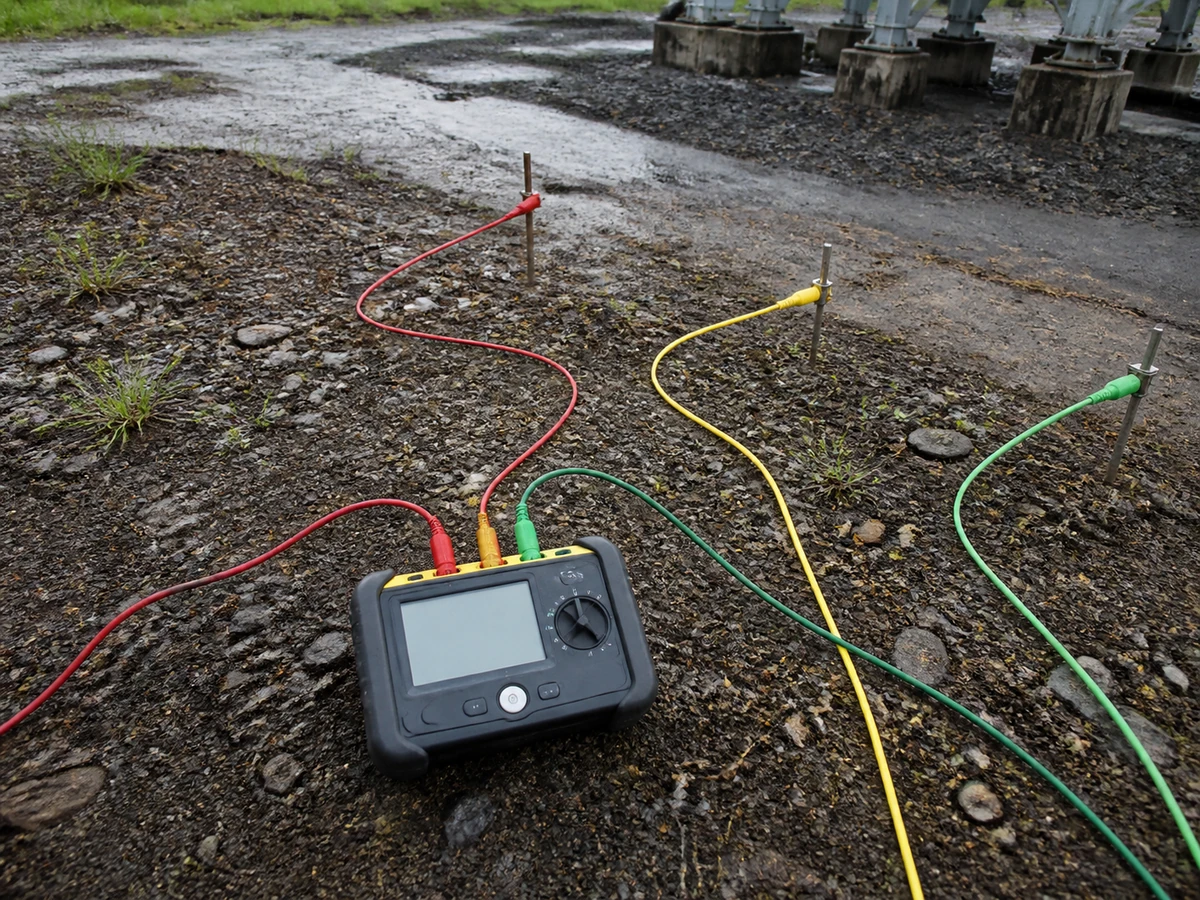
Earthing design for a BESS has to account for both AC and DC fault paths and the specific hazards of battery installations, including ground-fault detection on the DC side where a solidly earthed system isn't appropriate. We design the earthing and ground-fault protection scheme to match the battery technology and enclosure design, coordinate it with structural earthing, and check touch and step potentials around the battery enclosures specifically, not just the substation area.
Fire & safety interfaces
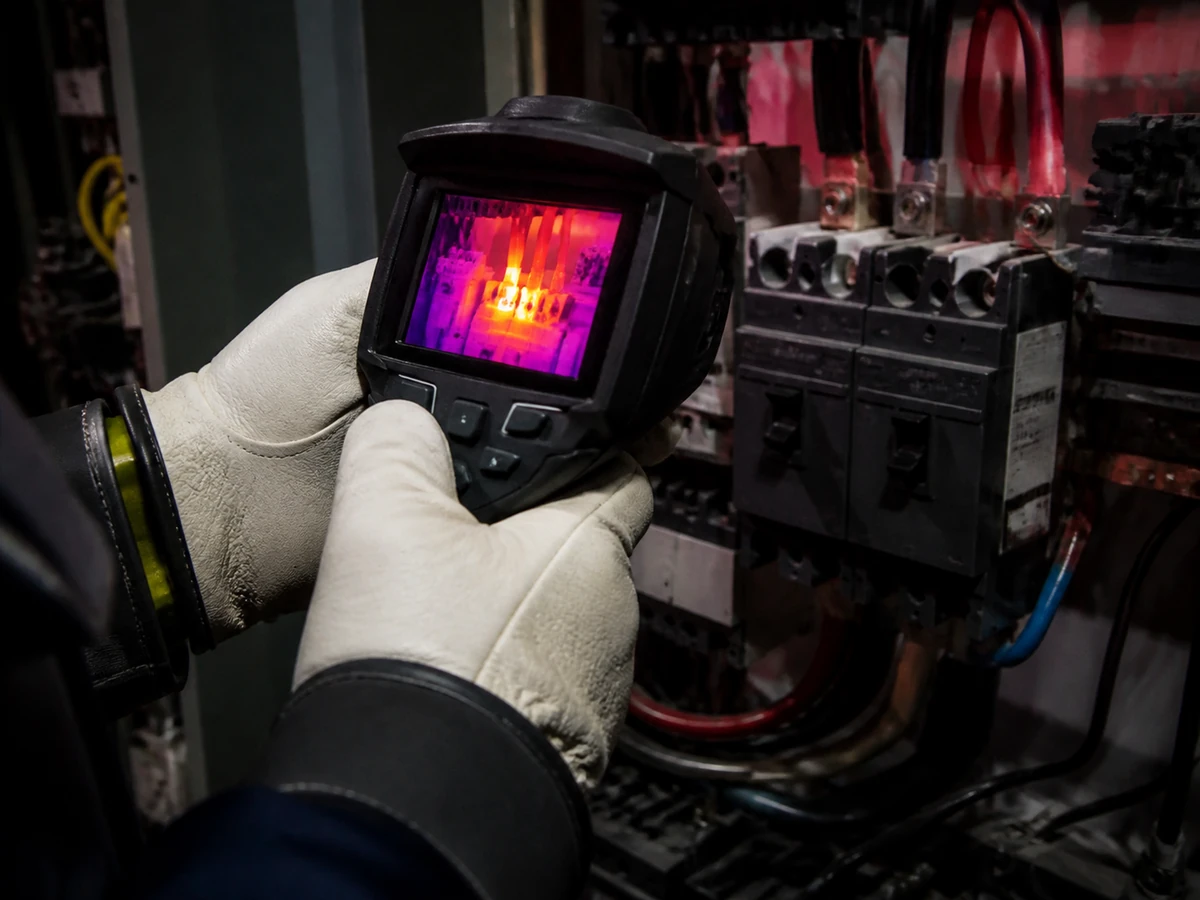
We coordinate the electrical design with the BESS fire detection and suppression system — interlocks that isolate battery strings on fire or thermal-runaway detection, ventilation control and the signalling between the fire system and the plant SCADA. Thermal monitoring points, gas detection interfaces and emergency shutdown logic are documented alongside the protection scheme so life-safety systems and electrical protection work together rather than as two independently designed layers.
Have a scope in this area?
Share your requirements and we'll respond with a defined scope, programme and fixed fee — typically within two working days.
Request a proposal