
Engineering the power system for green fuels
Green ammonia and green hydrogen plants present some of the most technically demanding power system engineering challenges of the energy transition — electrolyser loads are large, non-linear and sensitive to voltage disturbances, and the plant's own renewable generation has to be integrated with a grid connection that network operators scrutinise carefully.
NEWATT delivers the power system studies and electrical engineering that enable these plants to connect safely and operate reliably — from grid compliance studies and harmonic analysis through to substation design, cable engineering and protection coordination.
What this sector involves
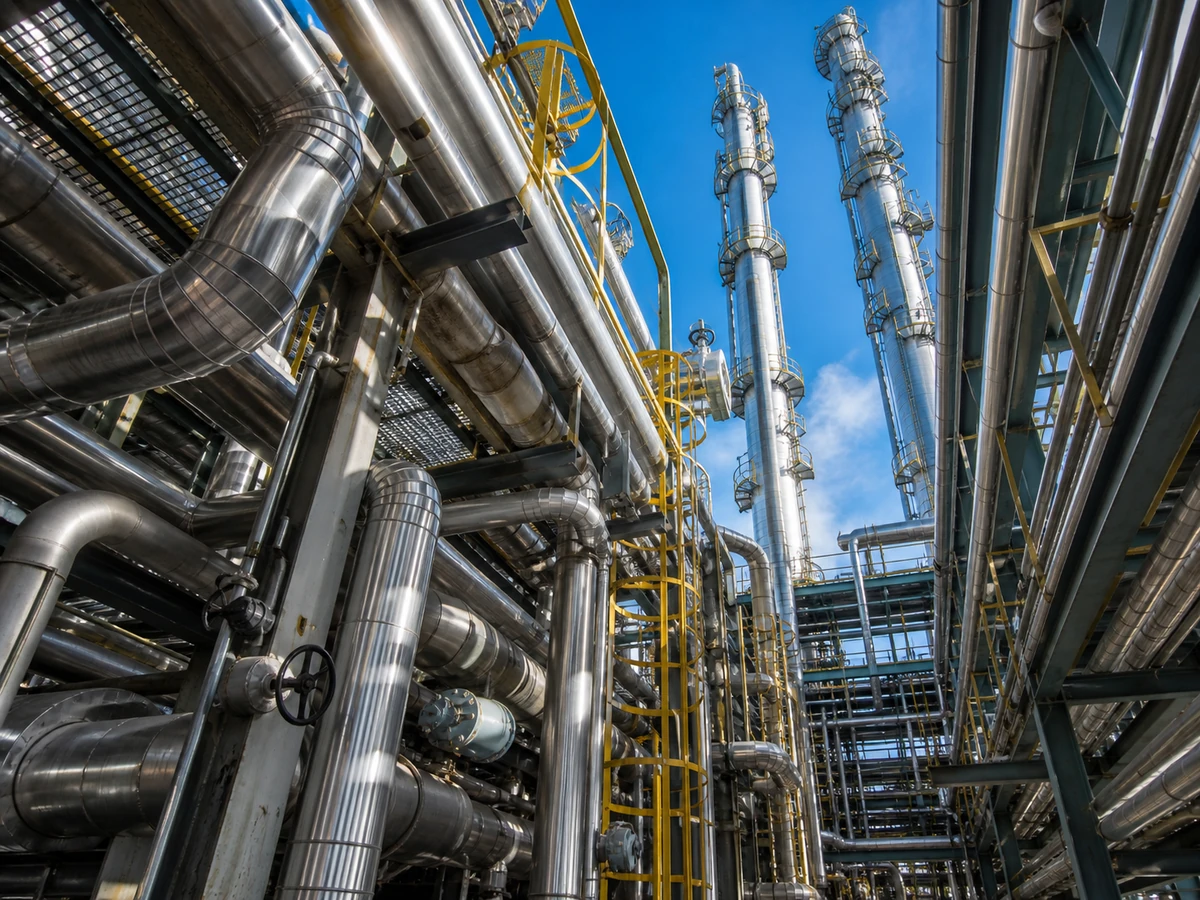
A green hydrogen or green ammonia facility's electrical system is different from a conventional industrial plant in several important ways: the electrolyser loads are large, non-linear and may interact with each other through the MV distribution system; the plant may have its own renewable generation that changes the direction and magnitude of power flows; and the grid connection has to accommodate both import and export.
These characteristics mean that a power system model built for one operating mode won't correctly represent the system in other modes. NEWATT builds models that cover the full operating envelope — including part-load and grid-export scenarios — so that studies produce results that the plant will actually see in operation.
Harmonic distortion from electrolyser rectifiers is one of the most significant power quality challenges these plants face — the interaction between multiple electrolysers on the same MV bus, and between the plant and the grid at the point of connection, has to be studied for the actual plant configuration rather than assessed electrolyser by electrolyser.
Typical scope for Green Ammonia & Green Hydrogen
- Electrolyser load integration
- Grid connection & compliance
- Harmonics & power quality
- Power system studies
- Protection & earthing design
- Detailed electrical design
- Substation engineering
- Renewable generation integration
Power system studies for green fuel plants
Harmonic & power quality studies
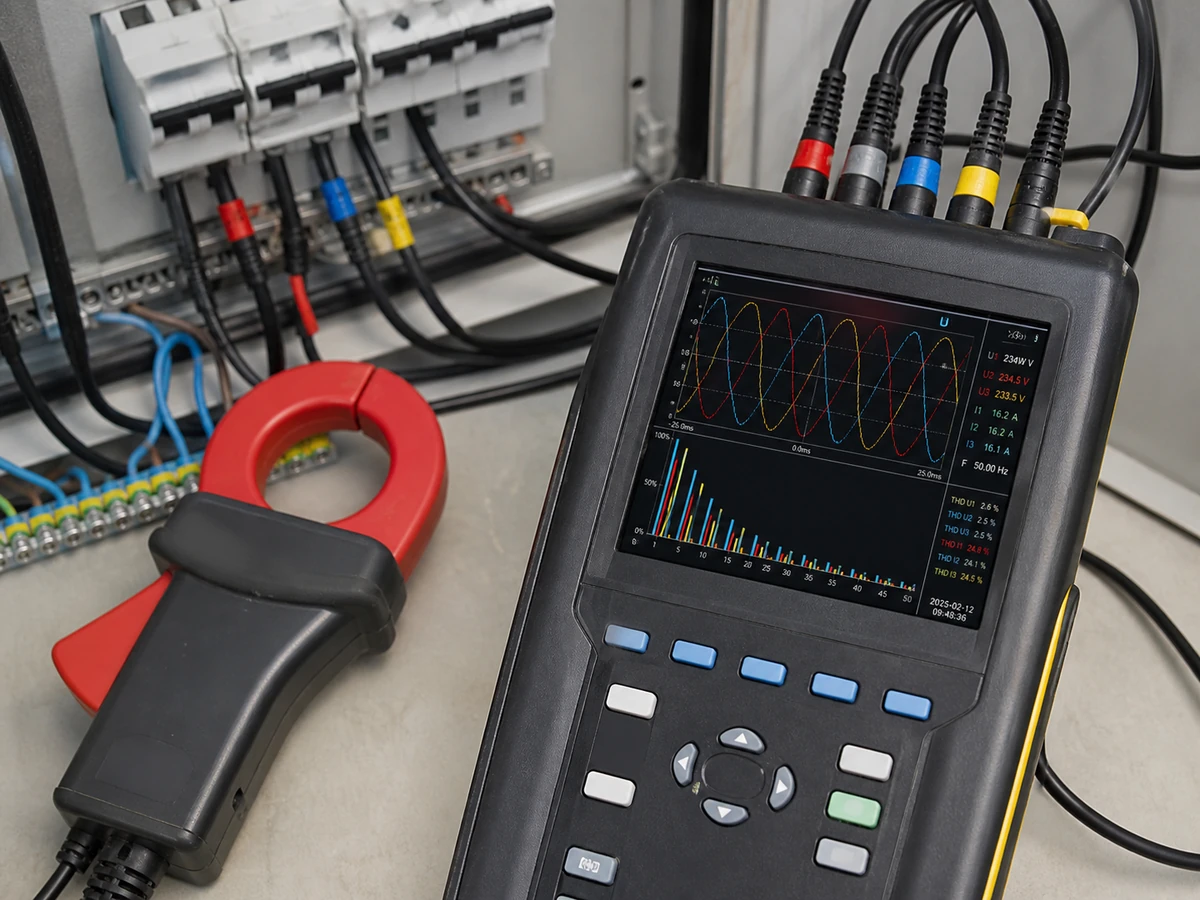
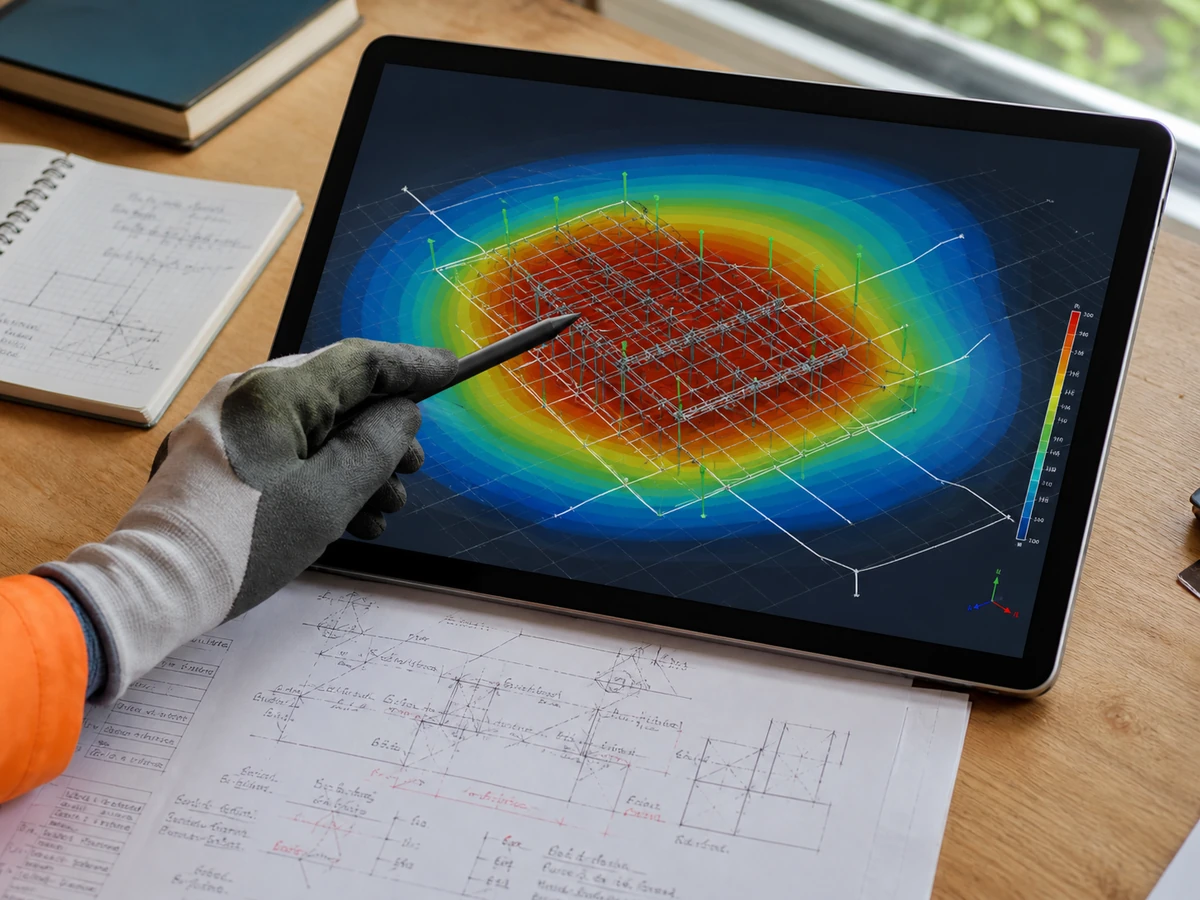
Harmonic distortion assessment for large electrolyser rectifier banks — checking aggregated distortion at the plant's MV busbar and at the grid point of connection against IEEE 519 / IEC 61000-3-12 limits, and sizing passive or active harmonic filters where needed.
Load flow across operating modes
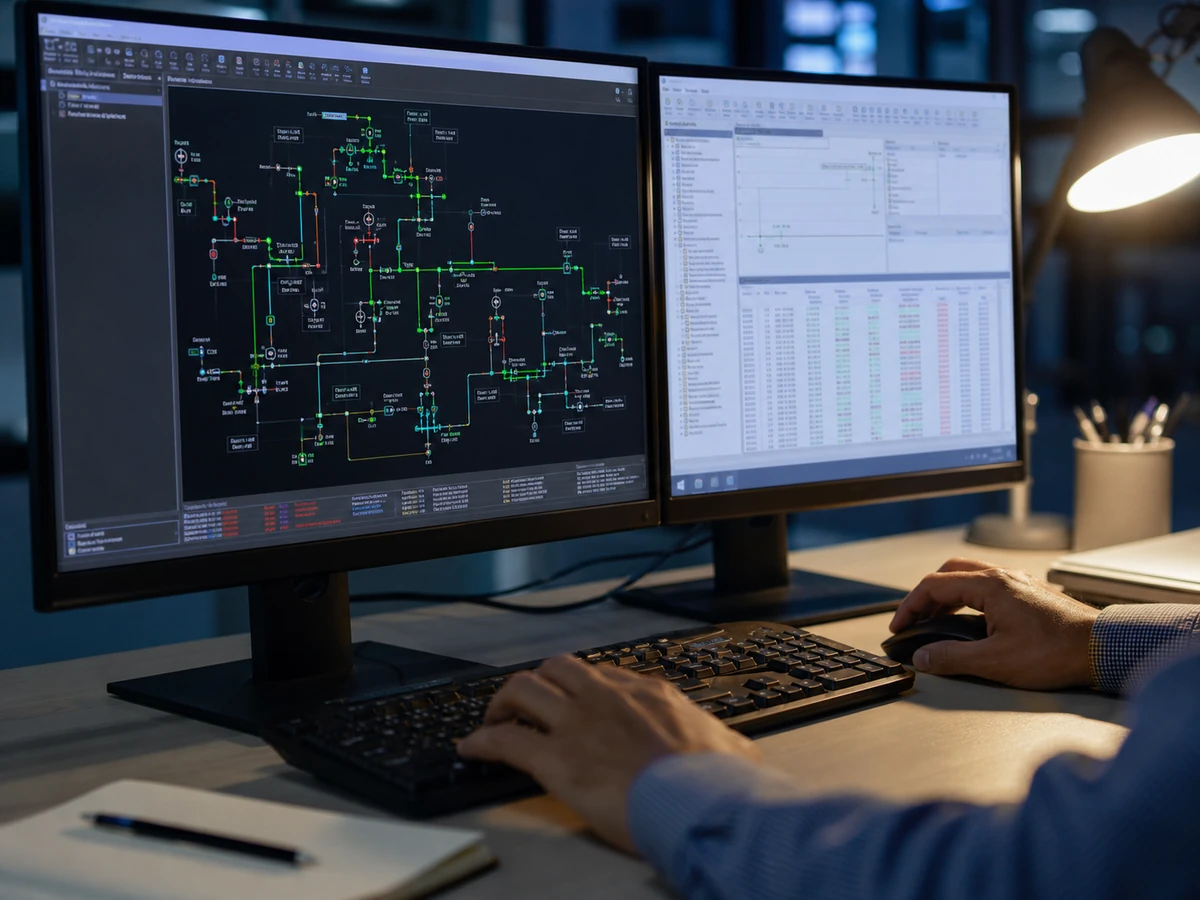
Load flow studies for every significant operating mode — full electrolysis on grid import, partial electrolysis with renewable generation export, renewable generation only with electrolysers offline — verifying voltage profiles, transformer loading and line current in each mode.
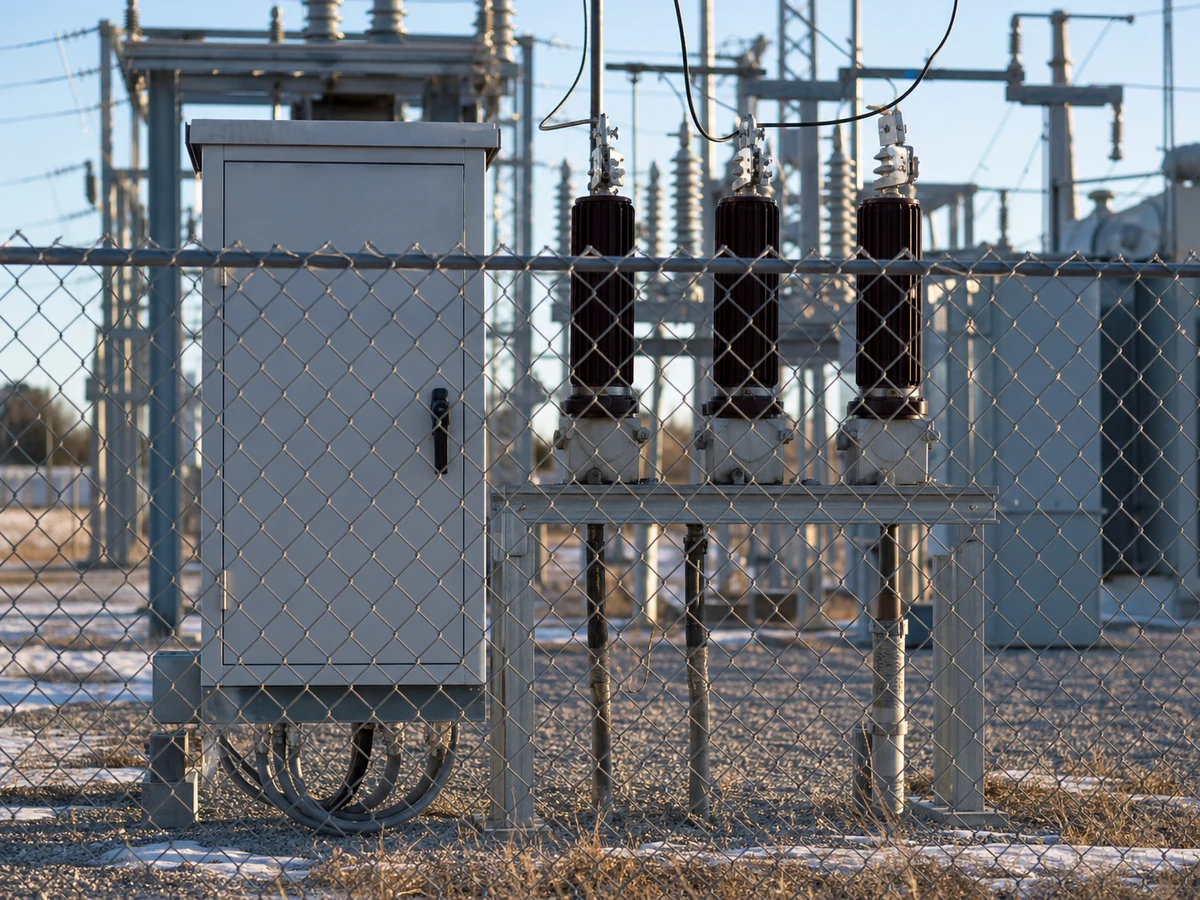
Grid code compliance
Compliance studies for the grid operator's technical requirements — power factor, voltage regulation, fault level contribution and protection interface — covering both the plant's import and export behaviour, plus LVRT and frequency response where renewable generation is integrated.
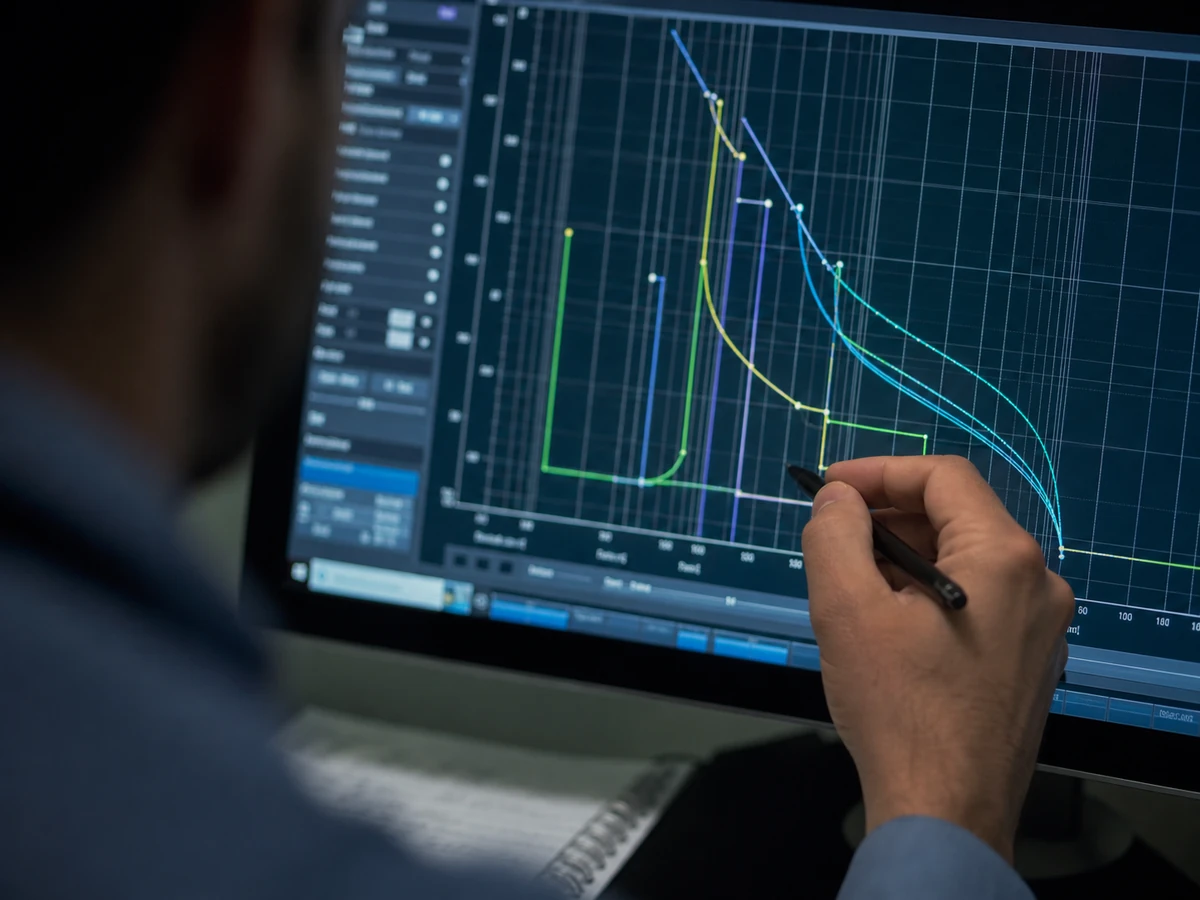
Protection coordination
Protection scheme covering the full plant electrical system — grid incomer, MV distribution, electrolyser transformer protection, renewable generation protection and the back-feed protection that prevents the plant's generation from energising the grid network during a grid outage.
Electrical design for the plant
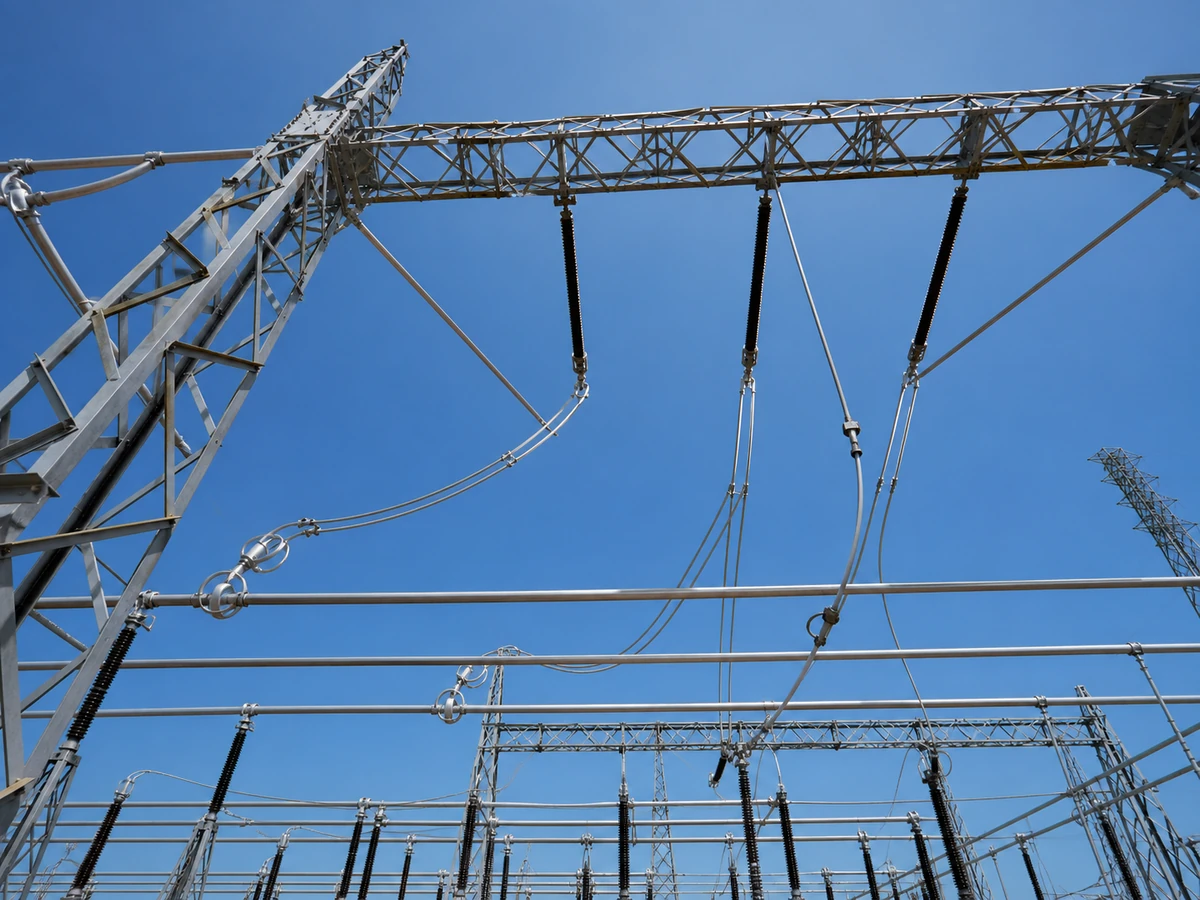
Grid connection substation
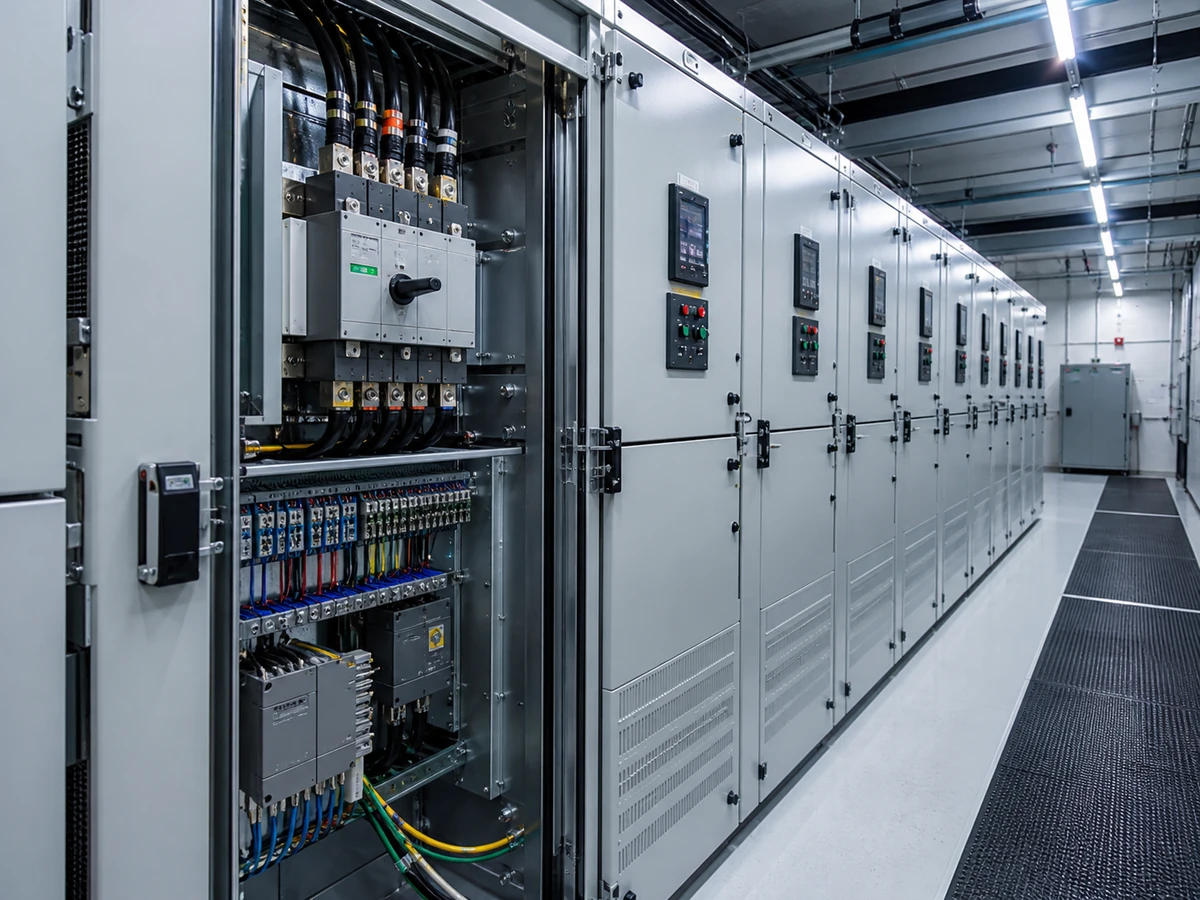
Incomer substation engineering — HV switchgear, power transformers, metering, protection panels and control room — designed for both full import and partial export operating modes, sized to handle the range of power flows the plant will see across its operating life.
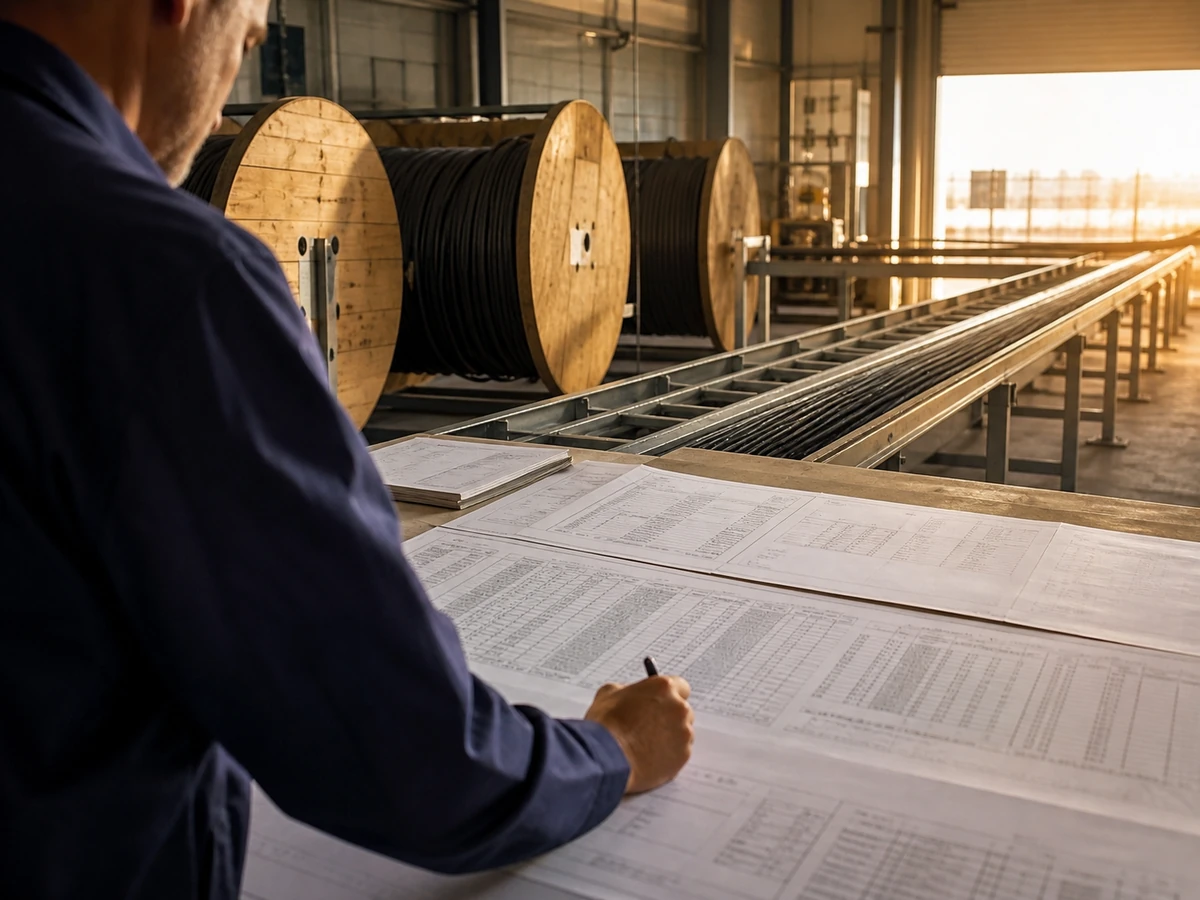
MV distribution & cable engineering
MV distribution network design from the incomer substation to the electrolyser halls and renewable generation collection point — transformer and cable sizing accounting for the electrolyser's rectifier characteristics and cyclic load profile rather than continuous full load.
Earthing & safety
Plant earthing covering both the conventional AC electrical system and the specific earthing requirements of the DC electrolyser system — electrolyser rectifiers and the hydrogen process equipment have specific bonding and earthing requirements not always covered by standard industrial earthing codes.
Auxiliary & control system
Auxiliary power supply, fire and gas detection interfaces, SCADA and DCS electrical integration for the plant control system — the electrical services that keep the plant operating safely and shut it down safely under fault or hazardous-gas detection conditions.
Working in Green Ammonia & Green Hydrogen?
Tell us your project stage and we'll outline how NEWATT can support it.
Request a proposal