
Grid Code Compliance
Compliance studies to the grid code of each region and operator.
Connect in compliance
NEWATT demonstrates that a plant meets the connecting grid code — fault ride-through, reactive capability, protection and power quality.
Study scope
Fault ride-through
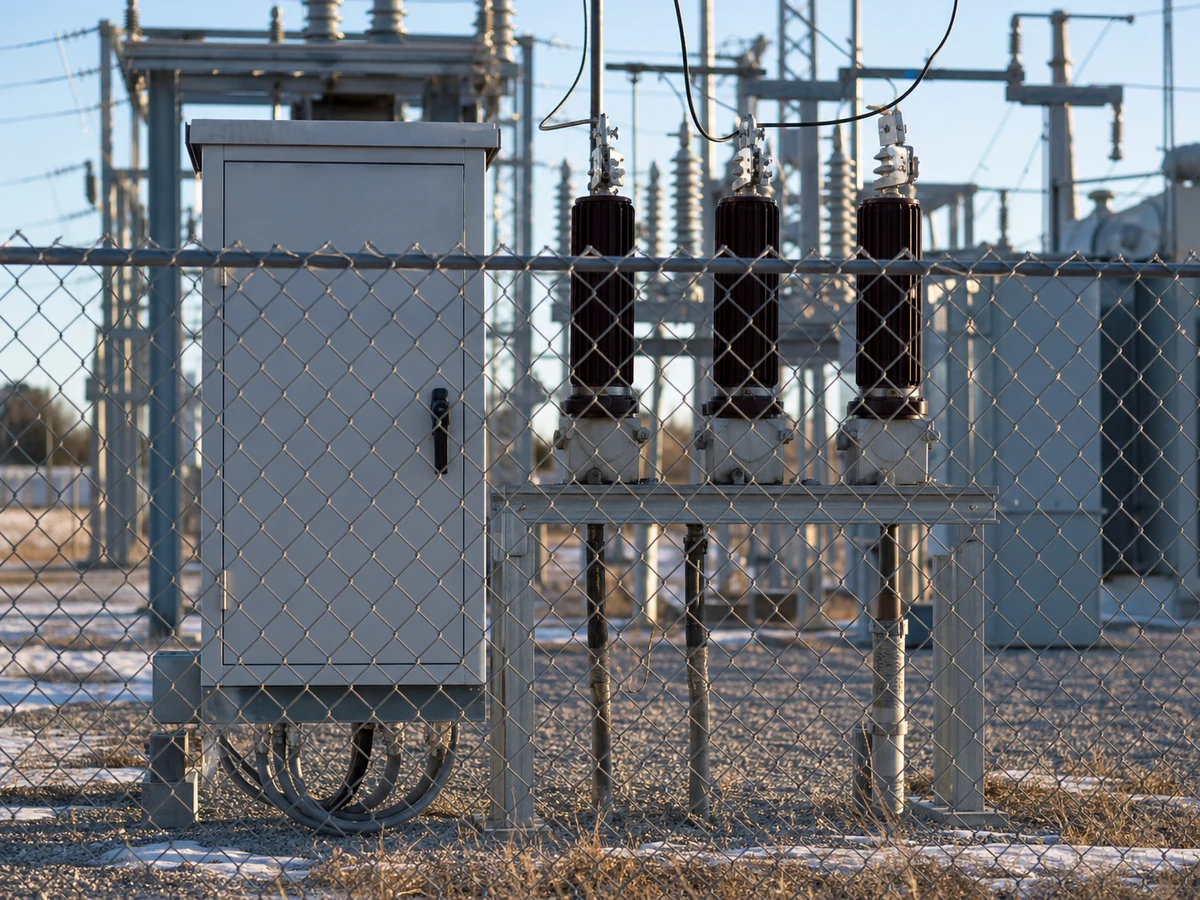
Low and high voltage ride-through capability is verified against the specific grid code's required voltage-time profile, checking the plant's actual dynamic control response — not just manufacturer claims — meets the ride-through curve the connection agreement requires.
Reactive capability
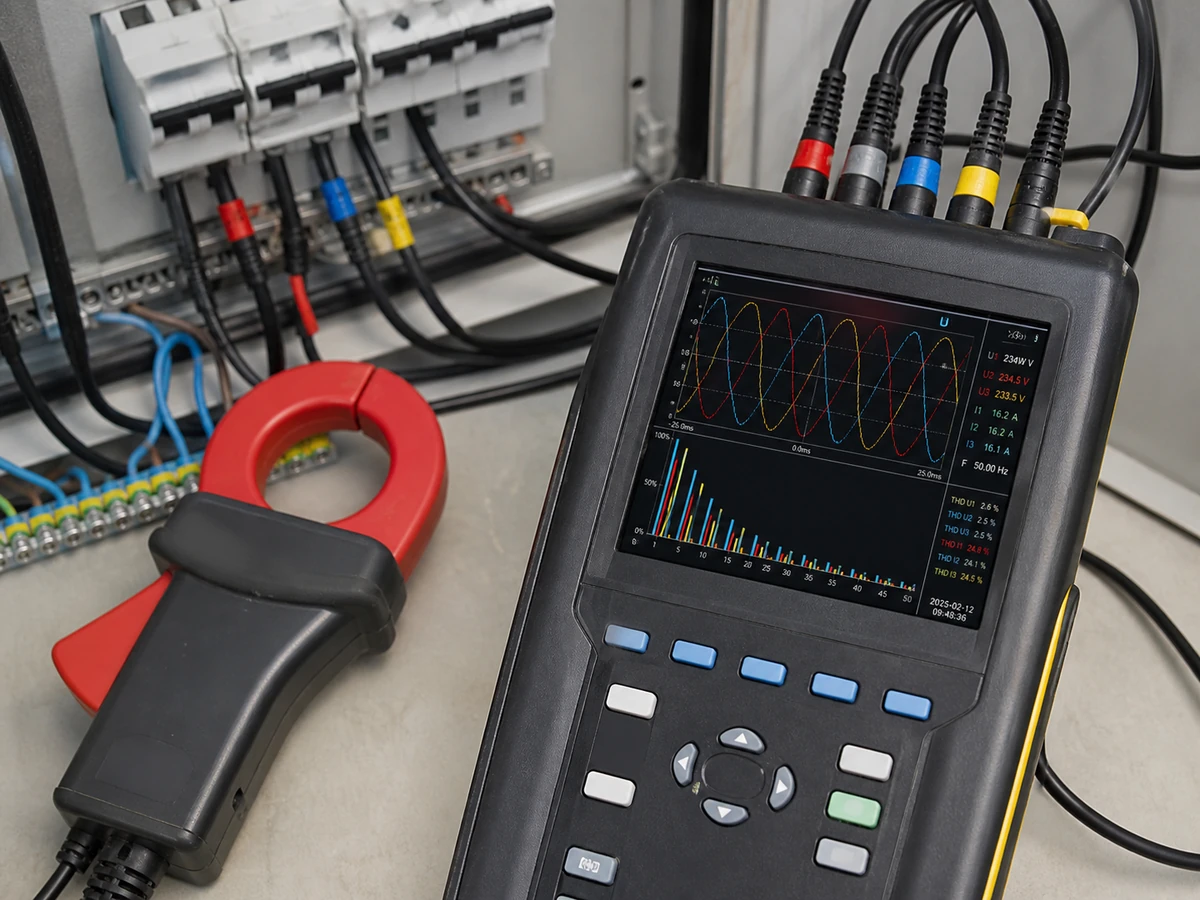
Reactive power and voltage control capability is checked against grid-code requirements across the full active power range, since many grid codes require reactive capability to be maintained down to low active power output, which generic equipment specifications don't always address.
Protection & islanding
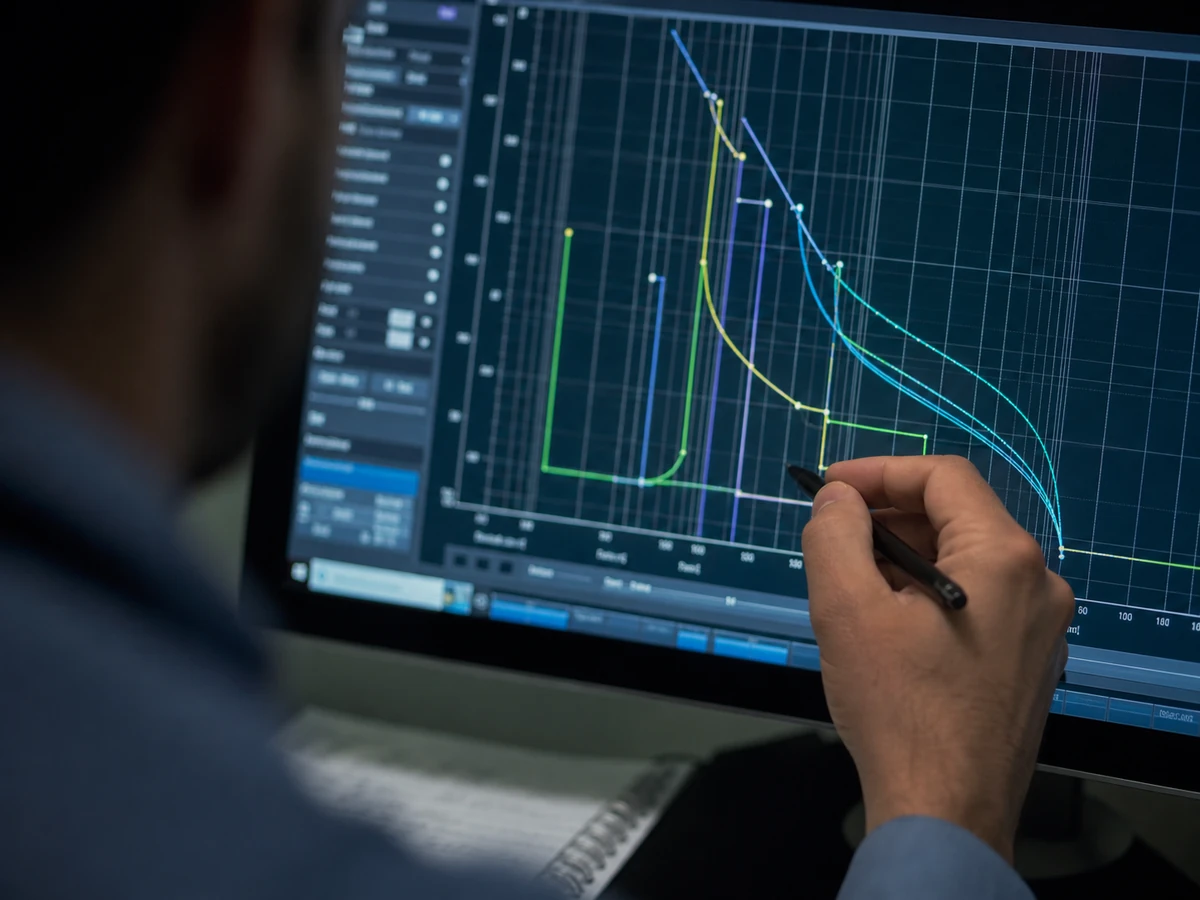
df/dt, rate-of-change-of-frequency and anti-islanding protection settings are set to meet the grid code's stability and safety requirements while avoiding nuisance tripping during normal grid disturbances the plant is required to ride through rather than disconnect from.
Power quality
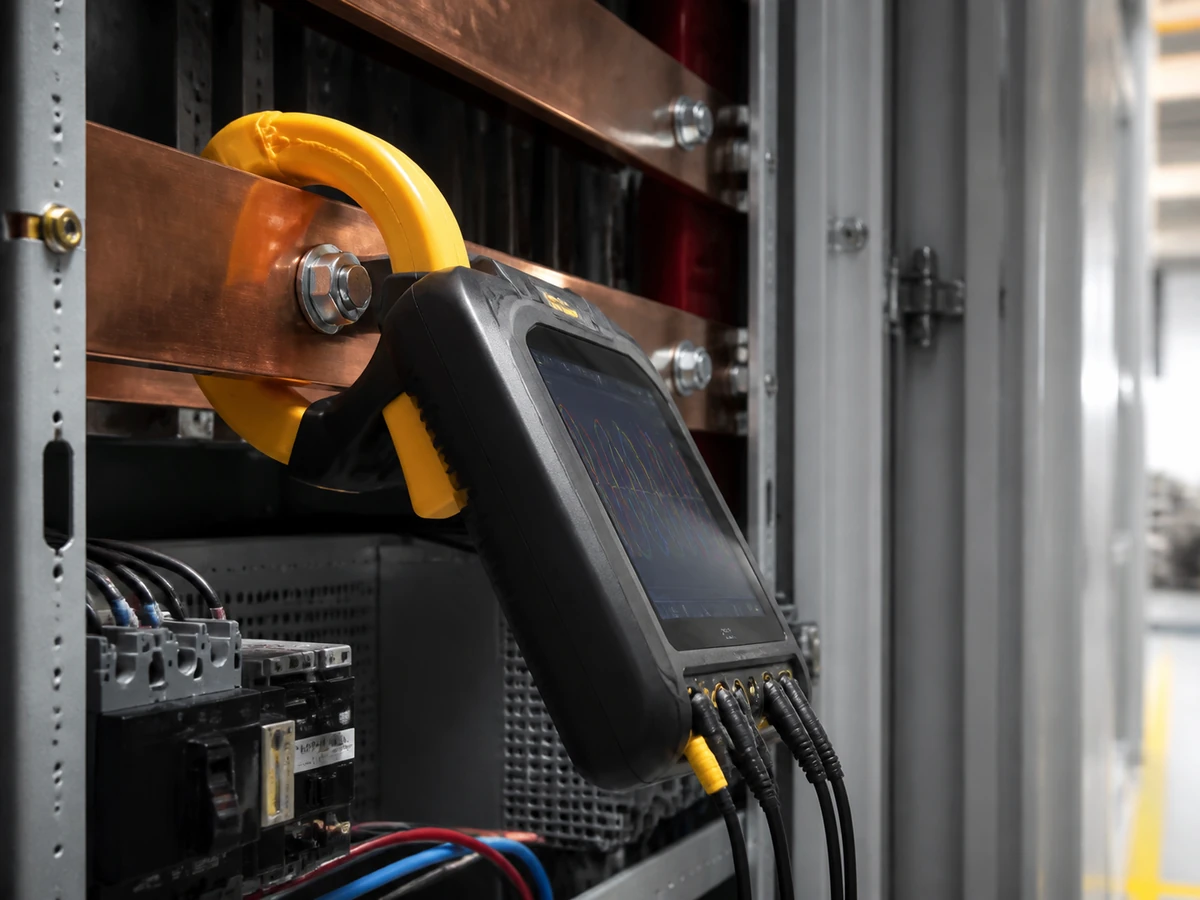
Flicker, harmonic and voltage unbalance contribution from the plant is assessed against grid-code limits at the point of connection, confirming the plant's own power quality impact stays within the allocation the grid operator has assigned.
How we deliver
Standards
We track the specific regional grid code and any relevant guidance — ENA P28/P29 in the UK context, for example — applicable to the project, since grid codes vary significantly between countries and utilities and are revised periodically.

Software
Compliance studies are performed in DIgSILENT, ETAP or PSCAD depending on whether the specific requirement is steady-state, dynamic or transient in nature, using models that reflect the plant's actual control system response, not idealised behaviour.

Outcomes
The study delivers a compliance report structured in the format the grid operator's connection process requires, demonstrating the plant meets every relevant grid-code requirement with the supporting evidence needed to support the connection application.