
Harmonic & Power Quality Study
Harmonic-distortion assessment and filter / mitigation design.
Keep distortion within limits
NEWATT measures and models harmonic distortion from drives, inverters and non-linear loads and designs mitigation to meet limits.
Study scope
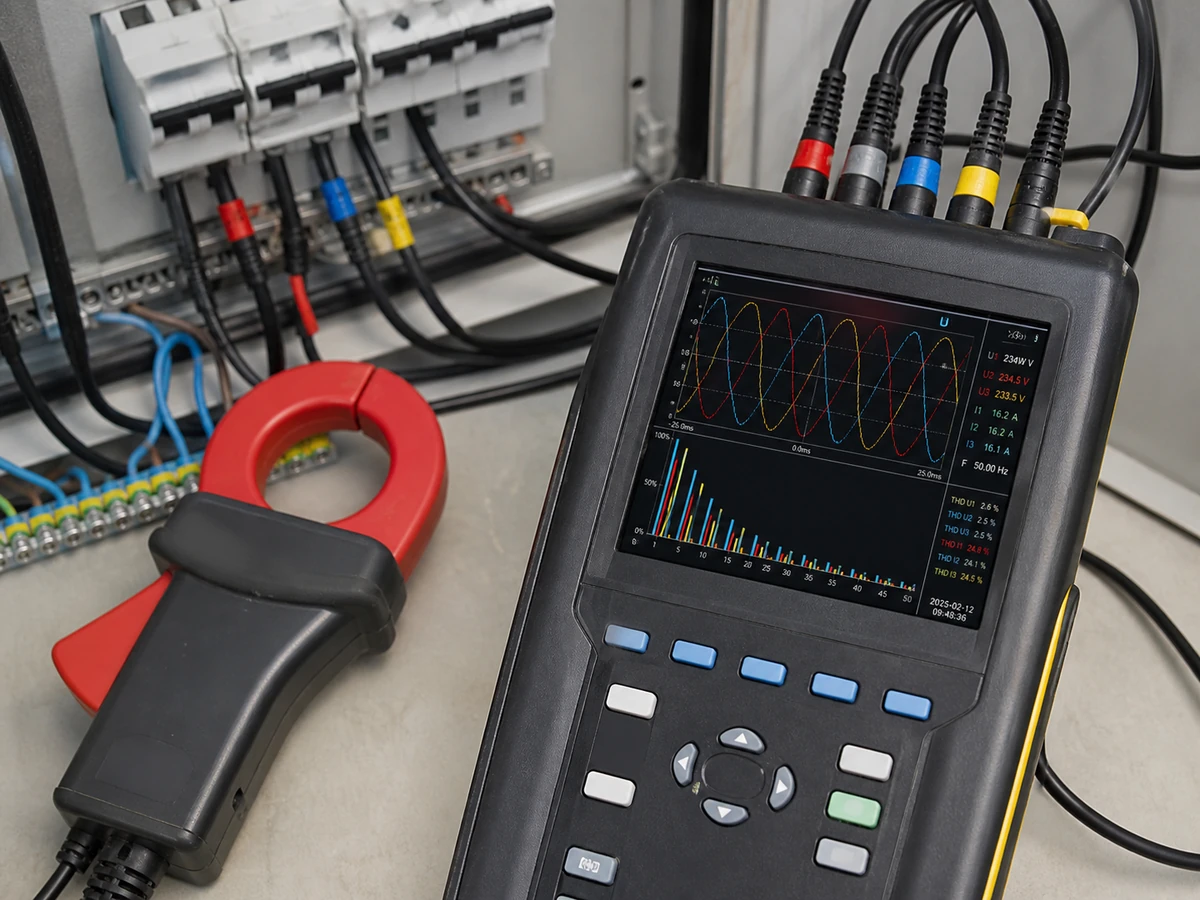
THD assessment
Total harmonic distortion for both voltage and current is assessed at the point of common coupling and key points within the network, comparing results against the applicable standard's limits and identifying which harmonic-producing loads or generation sources are the dominant contributors.

Resonance analysis
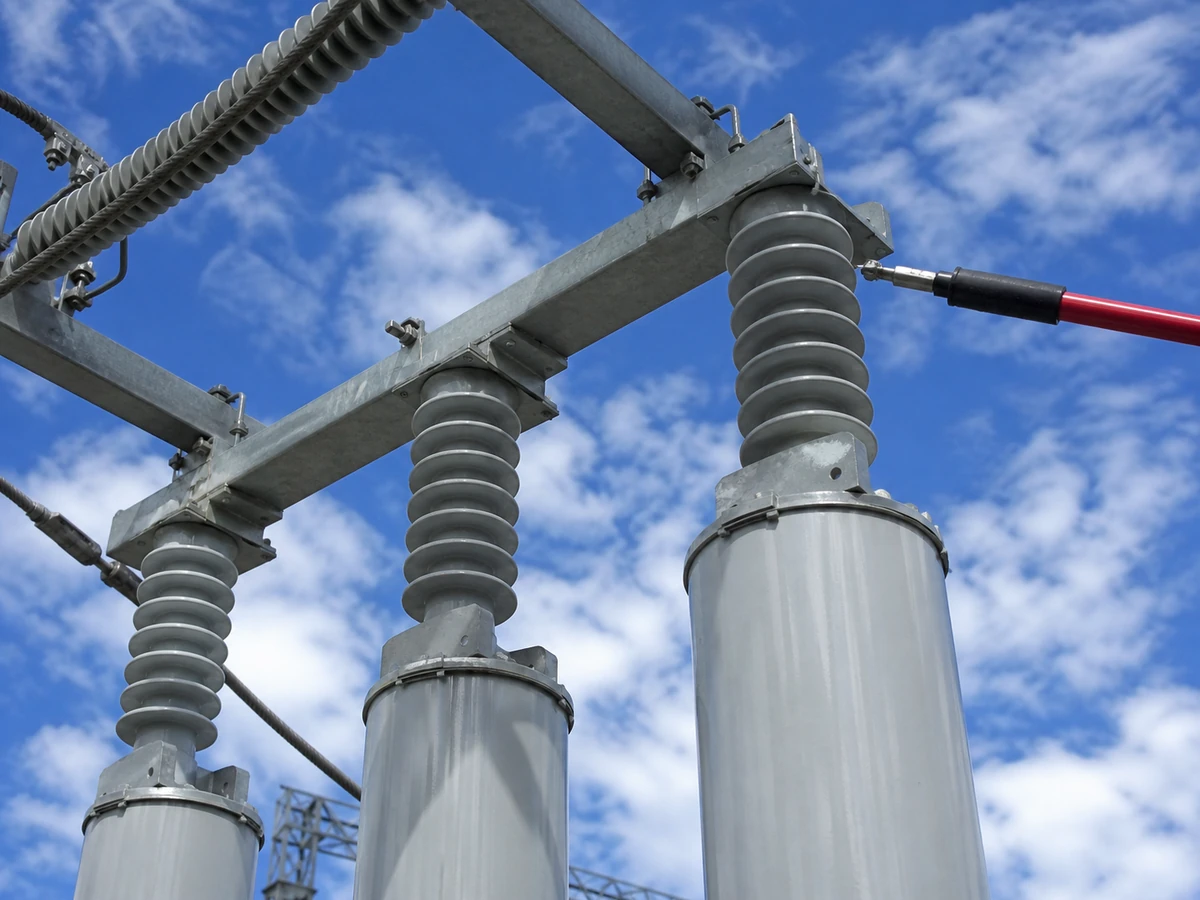
We screen the network for series and parallel resonance conditions across the harmonic frequency spectrum, since resonance can amplify a modest harmonic source into a significant distortion problem, and screening needs to cover the range of likely switching states including capacitor bank configurations.
Filter design
Where distortion exceeds acceptable limits, we design passive tuned, detuned or active filtering sized for the actual harmonic spectrum present, checked against the resonance analysis to confirm the filter itself doesn't introduce a new resonance at a different frequency.
Compliance
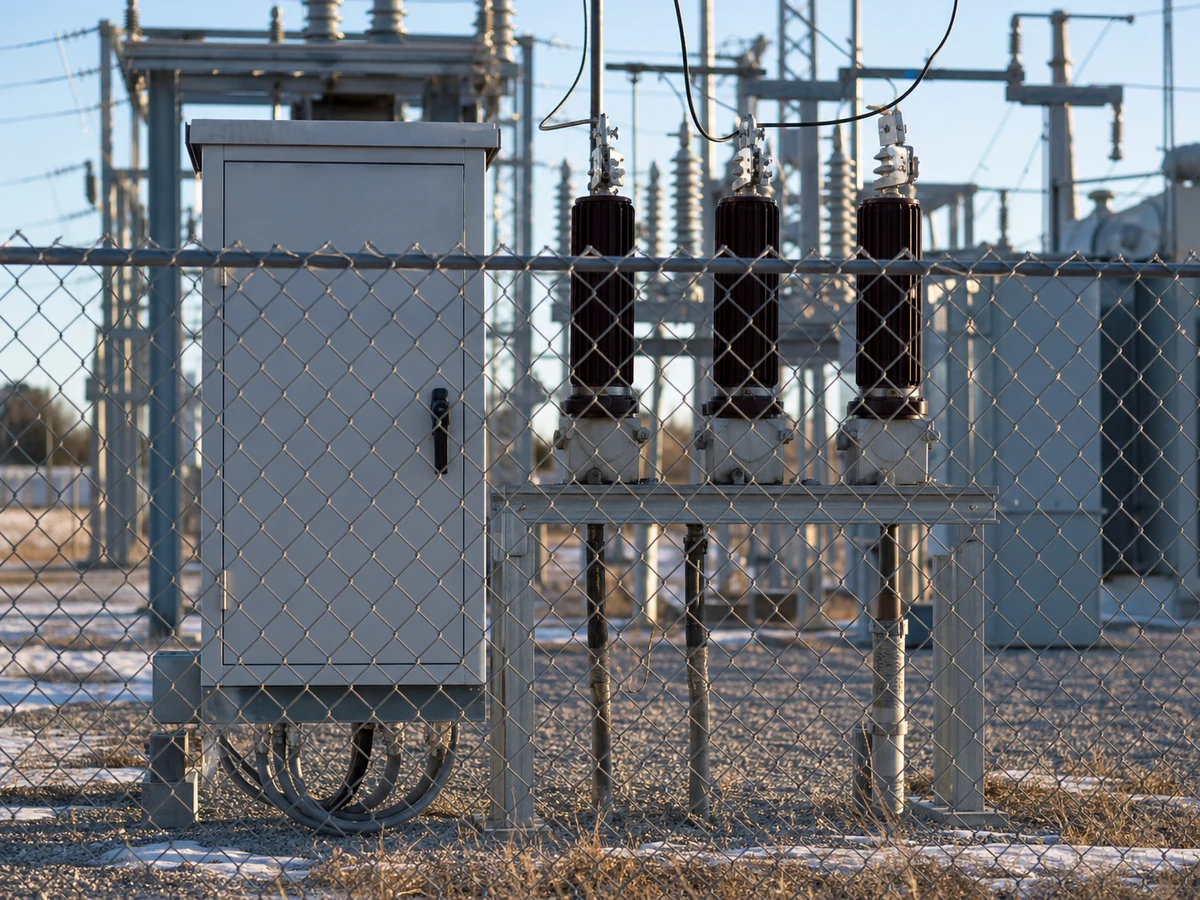
Results are assessed against IEEE 519 or the specific grid-code harmonic limits that apply at the point of connection, with the compliance position documented clearly enough to support a grid connection application or an internal engineering sign-off.
How we deliver
Standards
Studies are performed to IEEE 519 as the baseline standard, with IEC 61000 series limits applied where the project or region requires it, and the specific limit table used documented since permissible distortion varies with system voltage and source-to-load capacity ratio.

Software
Harmonic studies are performed using the harmonic analysis modules within ETAP or DIgSILENT, modelling the network's frequency-dependent impedance rather than assuming fixed impedance across the harmonic spectrum, which materially affects resonance and distortion results.
Outcomes
The study delivers a mitigation design where filtering is required and a compliance report demonstrating the network meets the applicable distortion limits, structured to support both internal engineering decisions and any external grid-code compliance submission.