
Transient & Dynamic Stability
Rotor-angle, voltage and frequency stability under disturbances.
Stay stable through disturbances
NEWATT runs dynamic simulations to confirm generators and the network remain stable after faults, trips and load changes.

Study scope
Angular stability
Rotor-angle stability is assessed through swing-curve analysis following credible network disturbances, confirming synchronous generation remains in step with the network rather than losing synchronism, which is a particular concern for sites with significant on-site rotating generation.

Critical clearing time
We calculate the critical clearing time — the maximum fault duration the system can tolerate while maintaining stability — and check it against actual protection clearing times from the coordination study, since a stability-limiting fault duration that's slower than the protection can clear is a real risk, not a theoretical one.

Voltage stability
Post-disturbance voltage recovery is assessed to confirm the network returns to acceptable voltage levels within the time frame equipment and grid-code requirements demand, rather than settling into a sustained low-voltage condition or, in severe cases, voltage collapse.
Frequency response
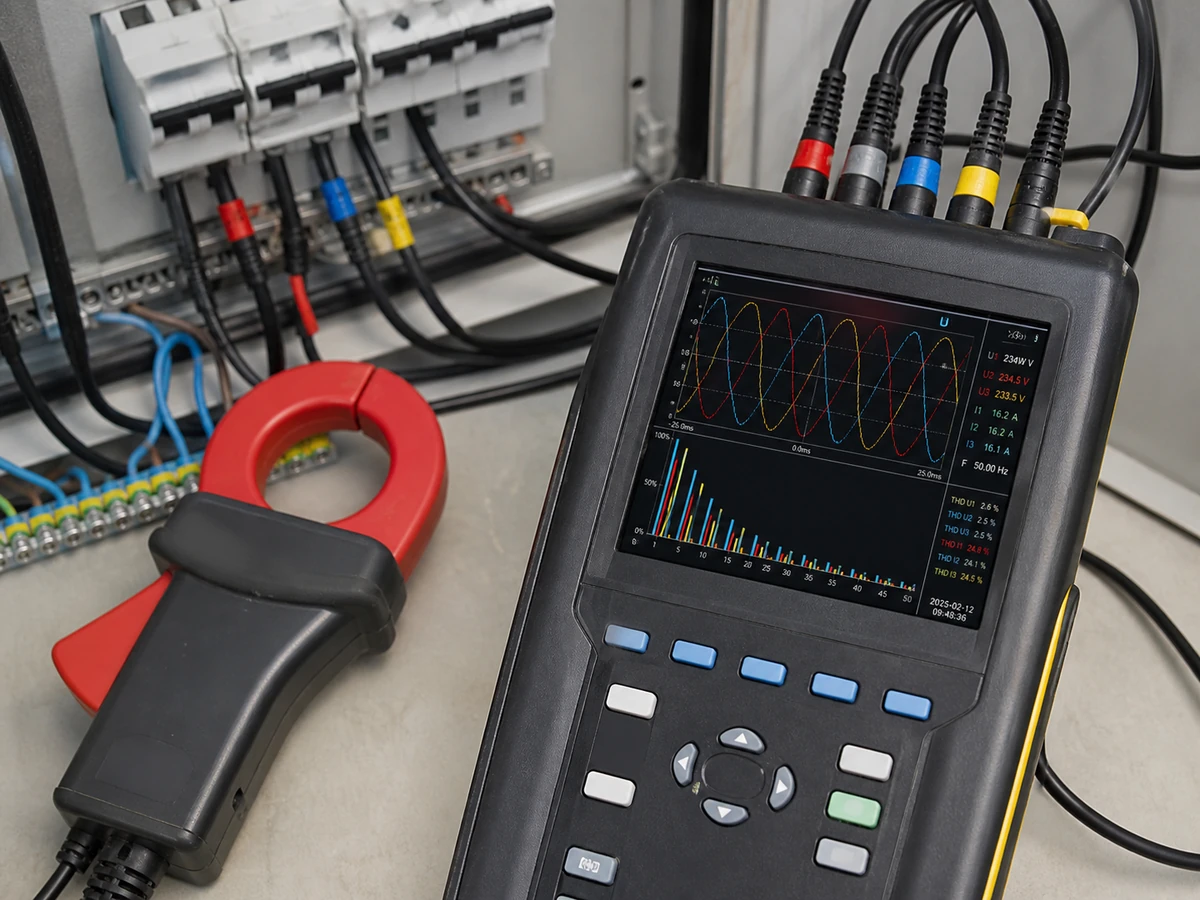
Frequency stability following generation or load disturbances is assessed, checking whether load-shedding schemes or generator governor response are adequate to arrest and recover frequency within acceptable limits, particularly relevant for islanded or weakly-interconnected systems.
How we deliver
Standards
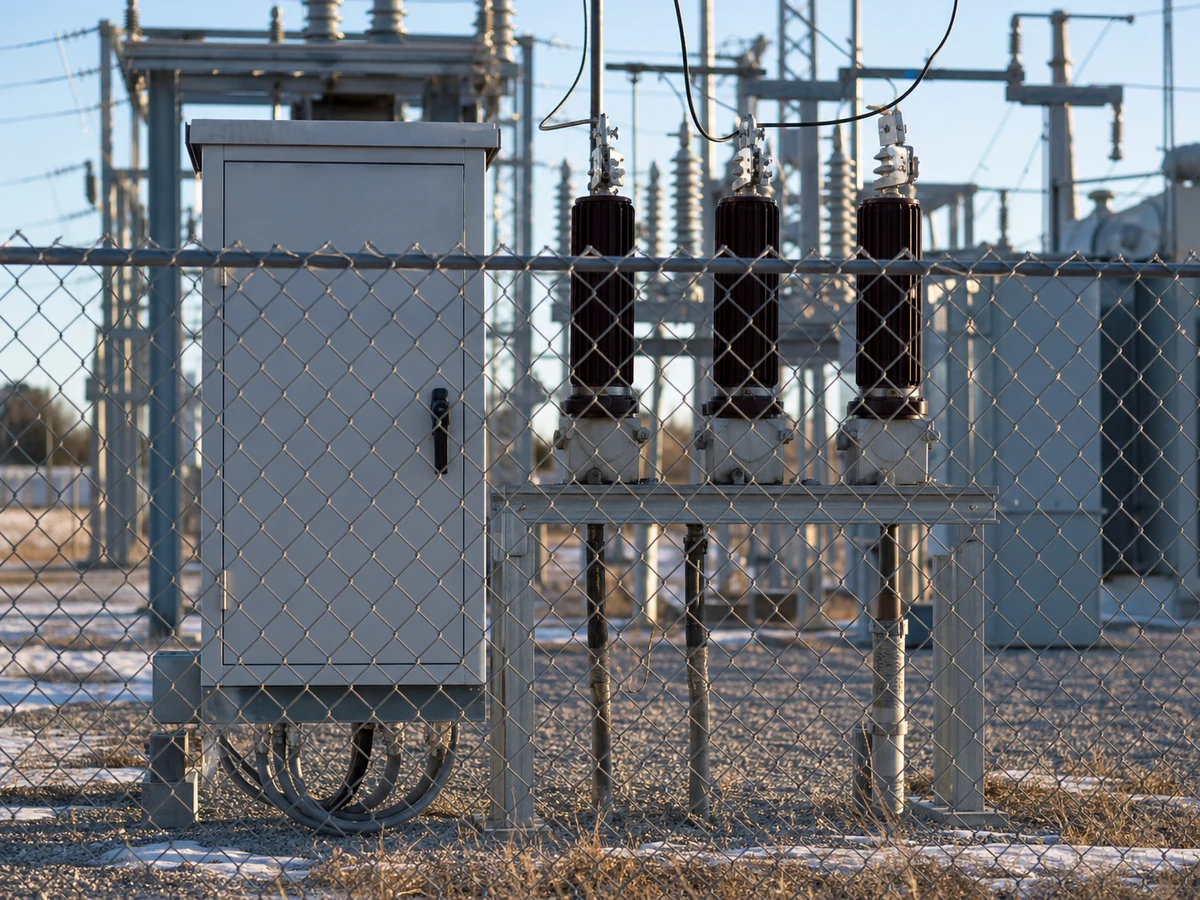
Stability studies are assessed against IEEE and the relevant grid code's dynamic performance criteria, since acceptance criteria for stability margins and recovery time can be set by the grid operator rather than a generic industry standard.
Software
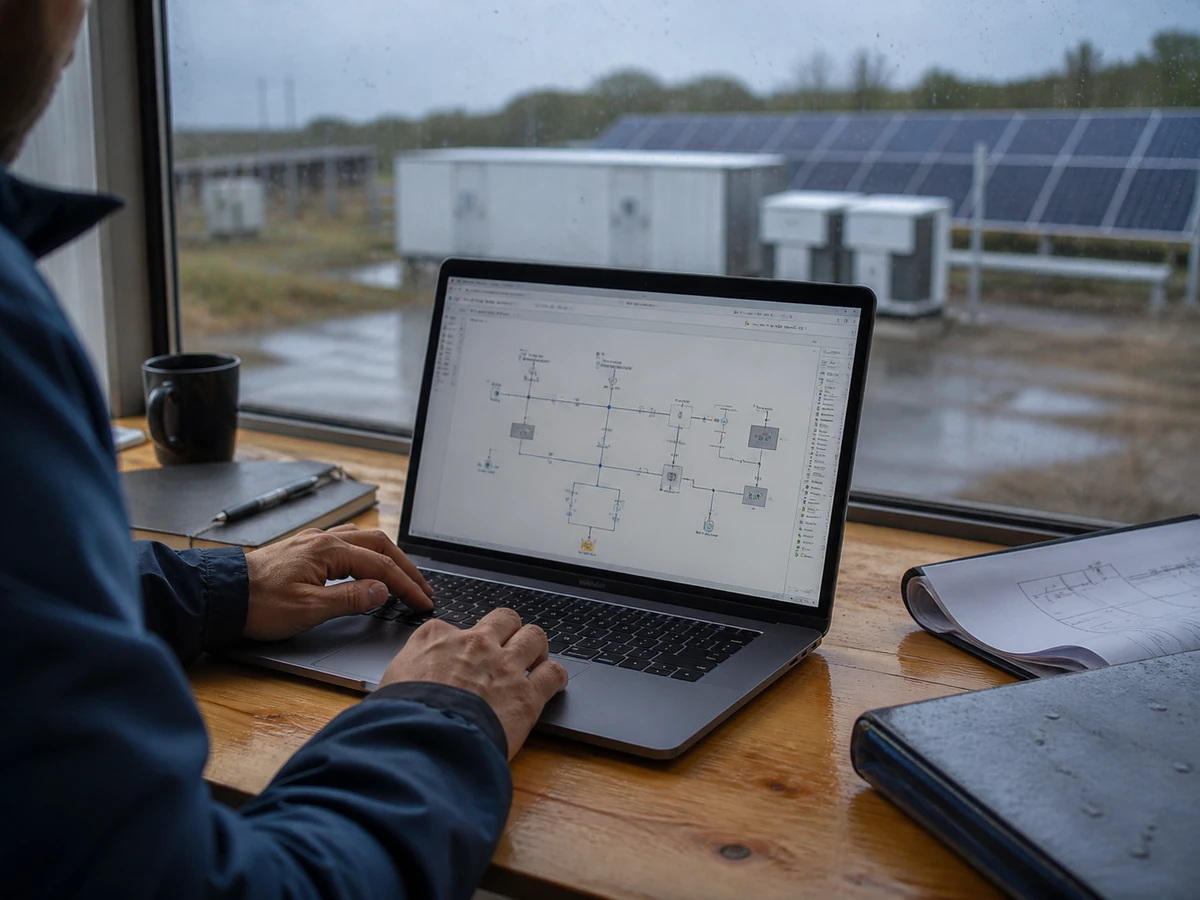
Dynamic stability simulations are performed in DIgSILENT PowerFactory, PSS/E or PSCAD depending on the level of detail required, modelling generator control systems, governors and protection dynamically rather than the steady-state representation used for load flow studies.
Outcomes
The study delivers a stability report identifying any scenario where the system doesn't meet stability criteria, along with mitigation recommendations — control system tuning, additional stabilising equipment, protection scheme changes — sized to the specific instability mechanism identified.