
Contract & EPC review
Review of EPC and O&M contracts for technical scope, risk and completeness.
Contract & EPC review
We review EPC and O&M contracts from a technical standpoint — scope, exclusions, performance guarantees and liabilities.
Technical risk in the contract structure is identified.

What this involves
The EPC and O&M contracts define who carries which technical risk, and gaps or ambiguities in them surface as disputes and cost overruns during delivery. NEWATT reviews these contracts from an engineering standpoint to make the technical risk allocation explicit.
We examine the scope and its exclusions, the technical specifications and standards referenced, the performance guarantees and liquidated-damages regime, the testing and acceptance criteria, and the interfaces and split of works between packages. Onerous, missing or contradictory technical terms are identified before they can be exploited.
The output is a focused review that tells the owner and lender where the contract protects them, where it leaves them exposed, and what technical clarifications or amendments should be secured. It turns a legal document into a clear picture of engineering risk that can be acted on before signing.
Scope in detail

Scope review
We review the EPC or supply contract's scope of work and exclusions line by line against the design package, checking for gaps where an item appears in the design but isn't clearly assigned to any party in the contract. Scope gaps are one of the most common sources of dispute on a project, and they're easiest to fix before signature, so we prioritise finding them early over commenting on contract language generally.
Guarantees
Performance guarantees and liquidated damages provisions are checked against the design's expected performance and the project's actual risk tolerance, confirming the guaranteed figures are consistent with the yield assessment and that LD caps are meaningful relative to the value at risk. We flag guarantees that look set to a level the underlying design can't realistically support, since an unachievable guarantee protects no one in practice.
Interfaces
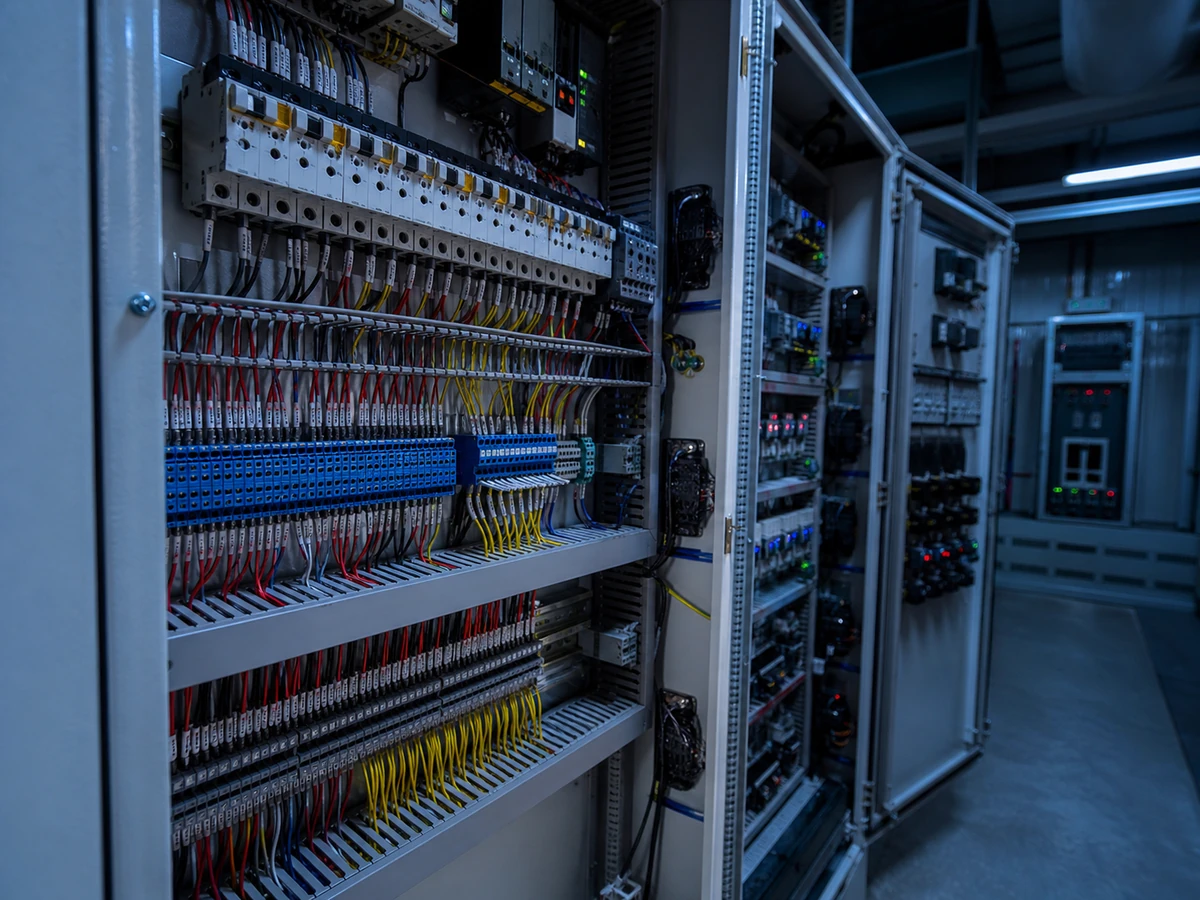
We check the interface and split-of-works definition between multiple contractors or packages, looking specifically for items that fall in the gap between two contracts' boundaries — a common and expensive source of dispute during construction. Interface matrices are cross-checked against the design package so responsibility for every major interface point is clearly assigned to one party.
Risk flags
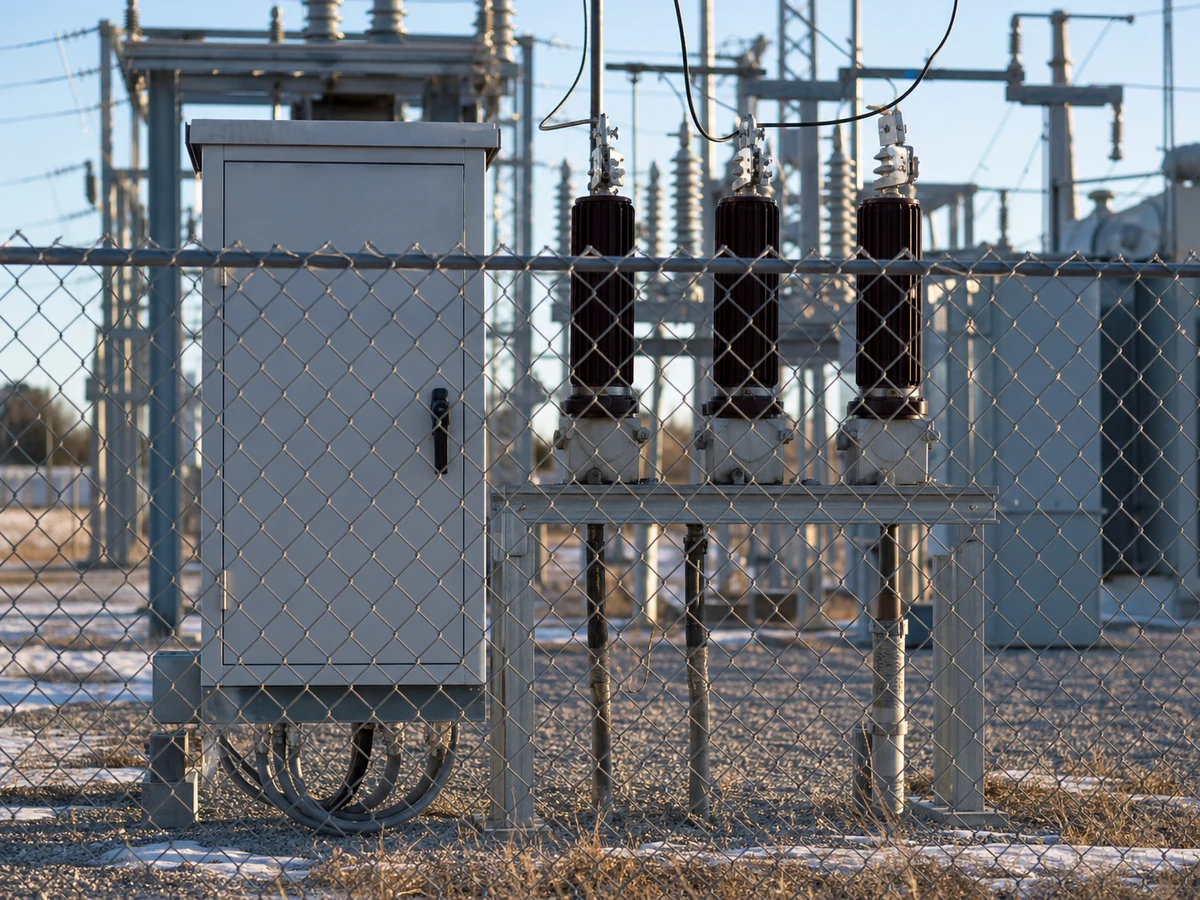
Onerous or missing contract terms — inadequate defect liability periods, unclear force majeure provisions, missing IP or software licensing terms — are flagged with a plain-language explanation of the practical risk they create for the client, not just a legal cross-reference. Where a term is missing entirely rather than just unfavourable, we say so explicitly, since gaps are easy to miss in a document review focused on what's written rather than what's absent.
Need this?
Share your requirements and we'll respond with a defined scope, programme and fixed fee — typically within two working days.
Request a proposal