
Design & document review
Scrutiny of designs and documents against standards, contracts and good practice.
Design & document review
We review the design deliverables and project documents against the governing standards and the contract.
Gaps, errors and non-compliances are flagged with recommendations.
What this involves
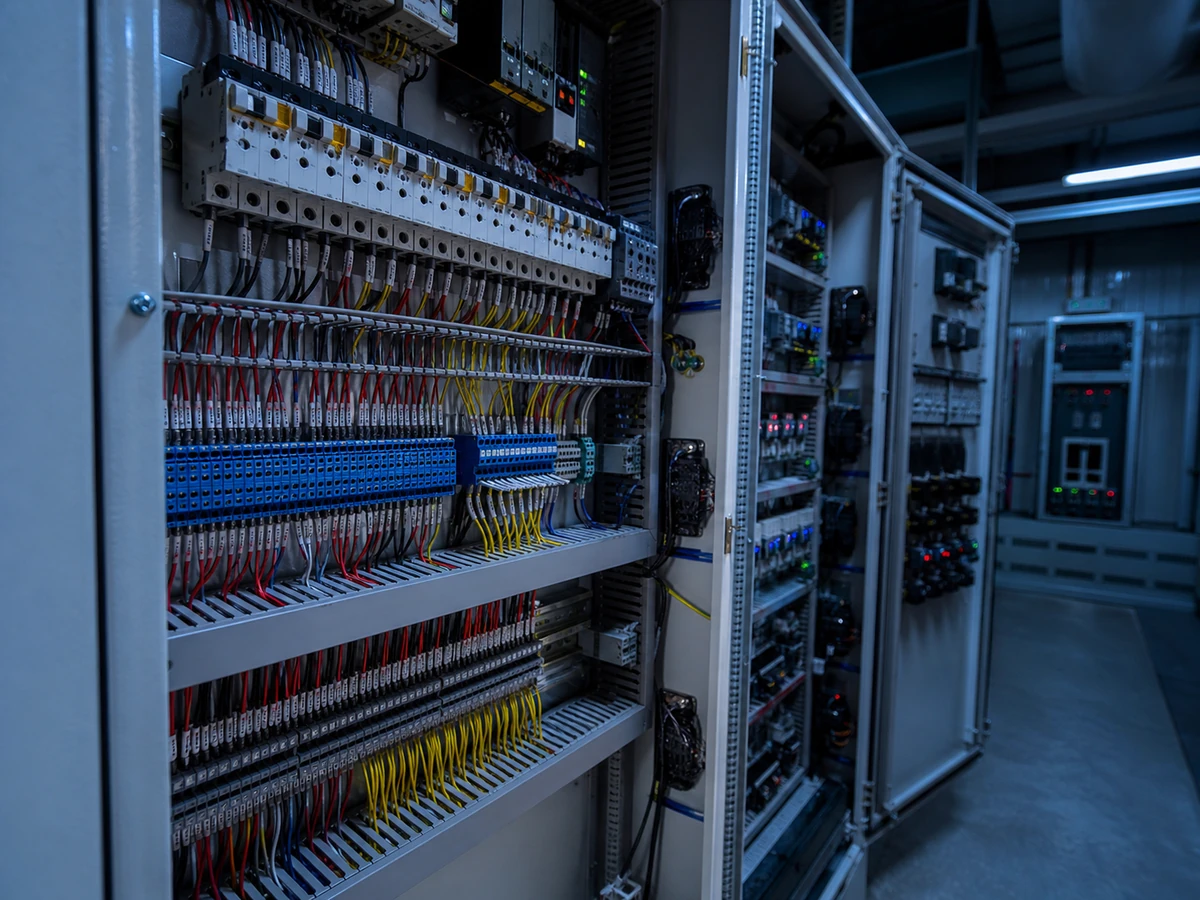
A design review is only useful if it is rigorous and independent. NEWATT examines the project's design deliverables — single-line diagrams, layouts, calculations, protection philosophies and specifications — against the governing codes, the contract and sound engineering practice, rather than simply confirming that documents exist.
We check that the design is internally consistent, that ratings and sizing are correct, that protection and earthing are properly coordinated, and that the drawings actually reflect the intended plant. Where documents are incomplete, contradictory or non-compliant, we say so plainly and explain the consequence, not just the observation.
The output is a structured review report that lists each finding with its severity, the standard or clause it relates to, and a clear recommendation. This gives the owner and lender confidence that the design they are funding is buildable, safe and compliant — and a punch-list the designer can work through before construction commits the errors to concrete and steel.
Scope in detail
Drawing review
We review single-line diagrams, general arrangement layouts and design calculations against the load data, equipment ratings and site conditions the project is actually built around, checking for internal consistency as much as individual correctness. Discrepancies between the SLD, the layout and the calculation basis — a common source of late-stage rework — are flagged specifically, with the drawing and revision number, so the design team can trace and resolve them quickly.
Standards check
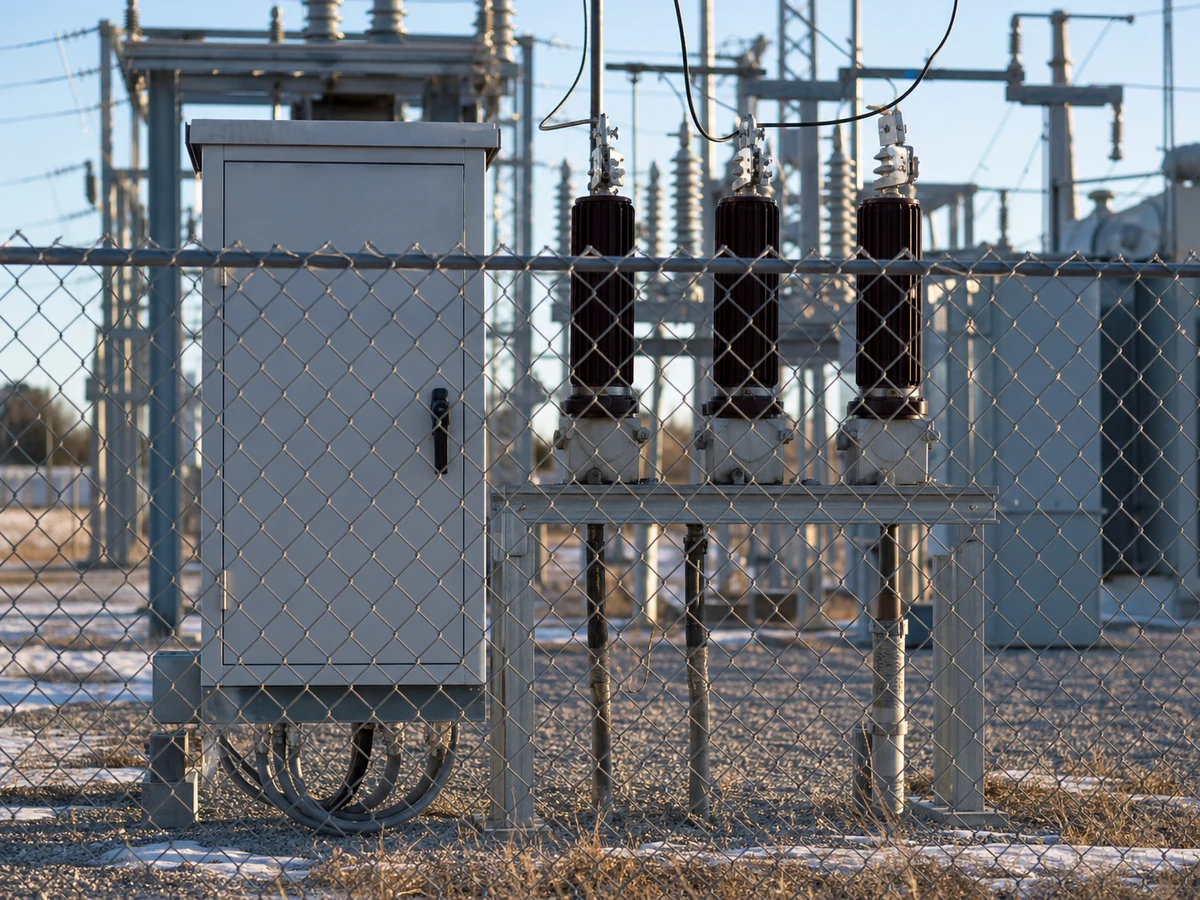
Every design deliverable is checked against the IEC or IEEE standards it claims to comply with, confirming the right edition was used and that the specific clauses relied upon actually support the design choice made. Where a design deviates from the standard without documented justification, we flag it as a finding rather than assuming the deviation was a deliberate, reviewed decision — because in our experience, undocumented deviations are the ones that cause problems later.

Spec review
Equipment specifications and datasheets are checked against the project's actual operating conditions — ambient temperature, altitude, fault levels, duty cycle — rather than accepted at face value because the equipment is a recognised brand. We compare specified ratings against calculated requirements from the design package, flagging any equipment that's marginally rated or specified against generic rather than site-specific conditions.

Gap analysis
We identify omissions and inconsistencies across the design package as a whole — missing interface drawings, calculations that don't tie back to the SLD, specifications that don't match what's shown on the layout — the kind of gaps that are easy to miss when each document is reviewed in isolation. Gaps are documented with a clear description of what's missing and why it matters, not just flagged as incomplete.
Need this?
Share your requirements and we'll respond with a defined scope, programme and fixed fee — typically within two working days.
Request a proposal