
Technical due diligence
Independent review of a project's technical basis for lenders and investors.
Technical due diligence
We assess the complete technical basis of a project — design, technology, contracts and assumptions — and report the risks that matter to financiers.
The review is standards-based, documented and defensible.
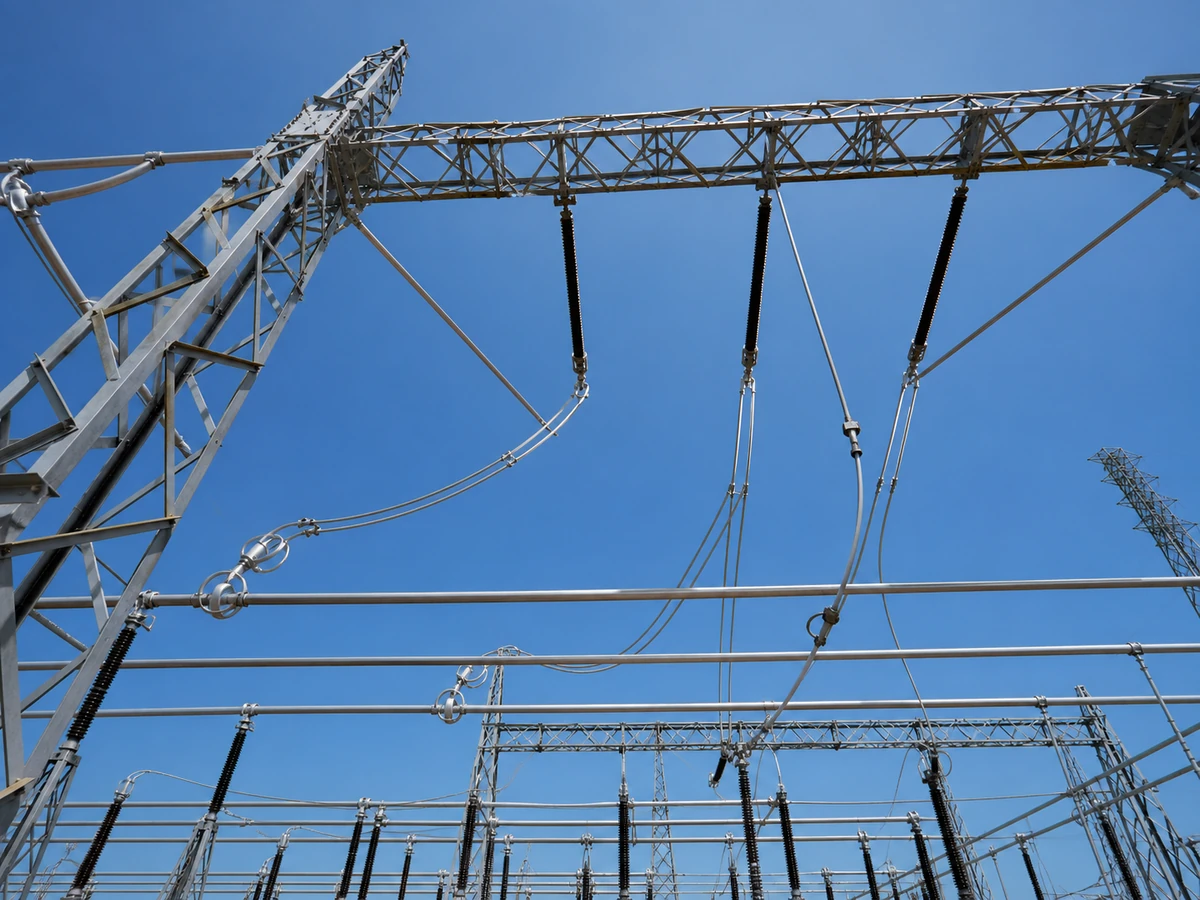
What this involves
Lenders, investors and acquirers commit significant capital on the strength of a project's engineering. Technical due diligence is the independent examination that tests whether that engineering is sound, complete and genuinely deliverable — carried out before the money is committed rather than after problems appear on site.
NEWATT reviews the full technical basis of the project: the design and the standards it follows, the technology and equipment selection, the EPC and O&M contracts, the energy-yield assumptions and the delivery programme. Each element is benchmarked against good industry practice and against the specific requirements of the market and grid the project connects to, so nothing is assessed in isolation.
The deliverable is a clear, prioritised due-diligence report — a red-amber-green view of technical risk, the specific issues that could affect cost, schedule or performance, and practical, costed recommendations to address them. It gives the financing parties a defensible basis for their decision and a living risk register that can be tracked all the way through construction and into operation.
Scope in detail
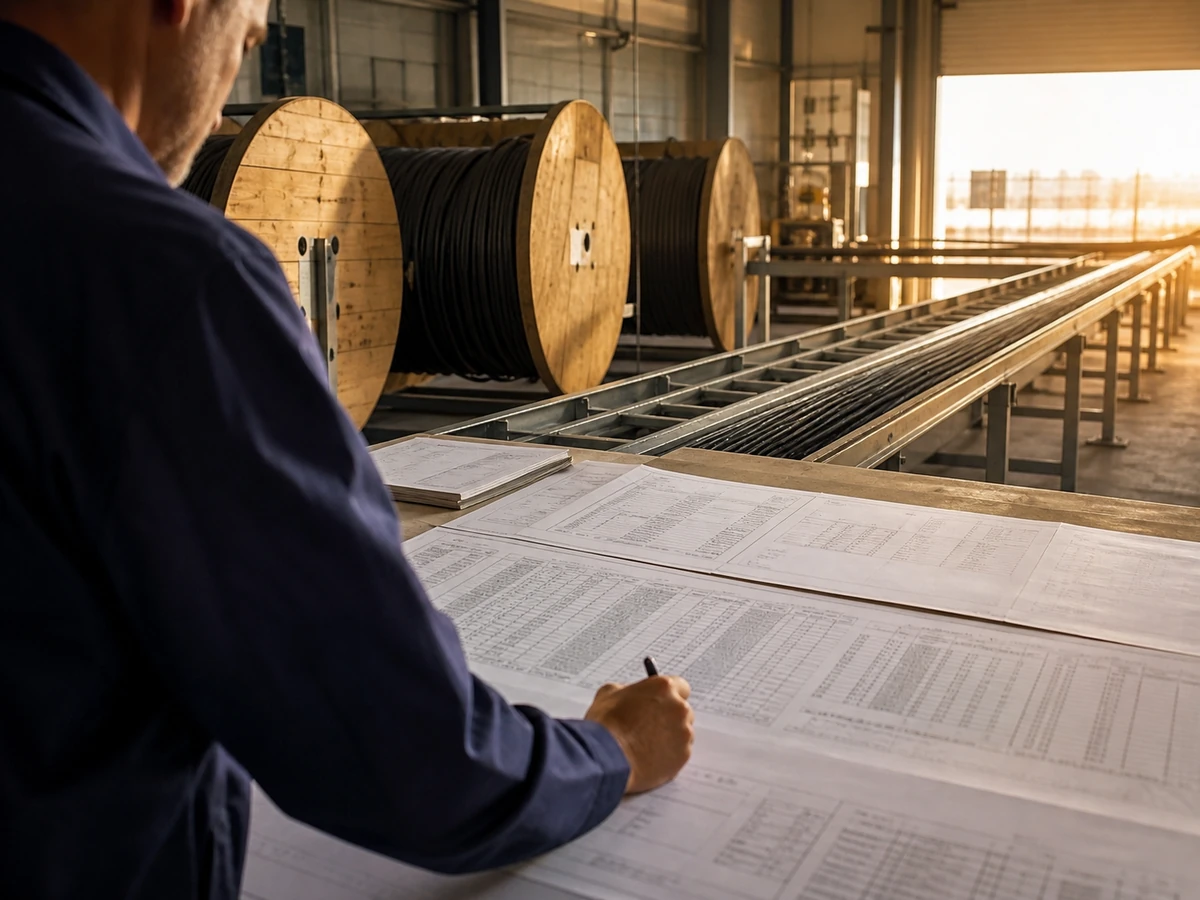
Design basis review
We check the design basis document against the assumptions actually used downstream — load data, resource data, equipment ratings and the codes and standards cited — to confirm the whole design chain rests on a consistent, defensible foundation. Where assumptions look optimistic, outdated or inconsistent with site data, we flag it with the specific clause or figure in question, not a general comment, so the client can see exactly what needs revisiting before financial close.
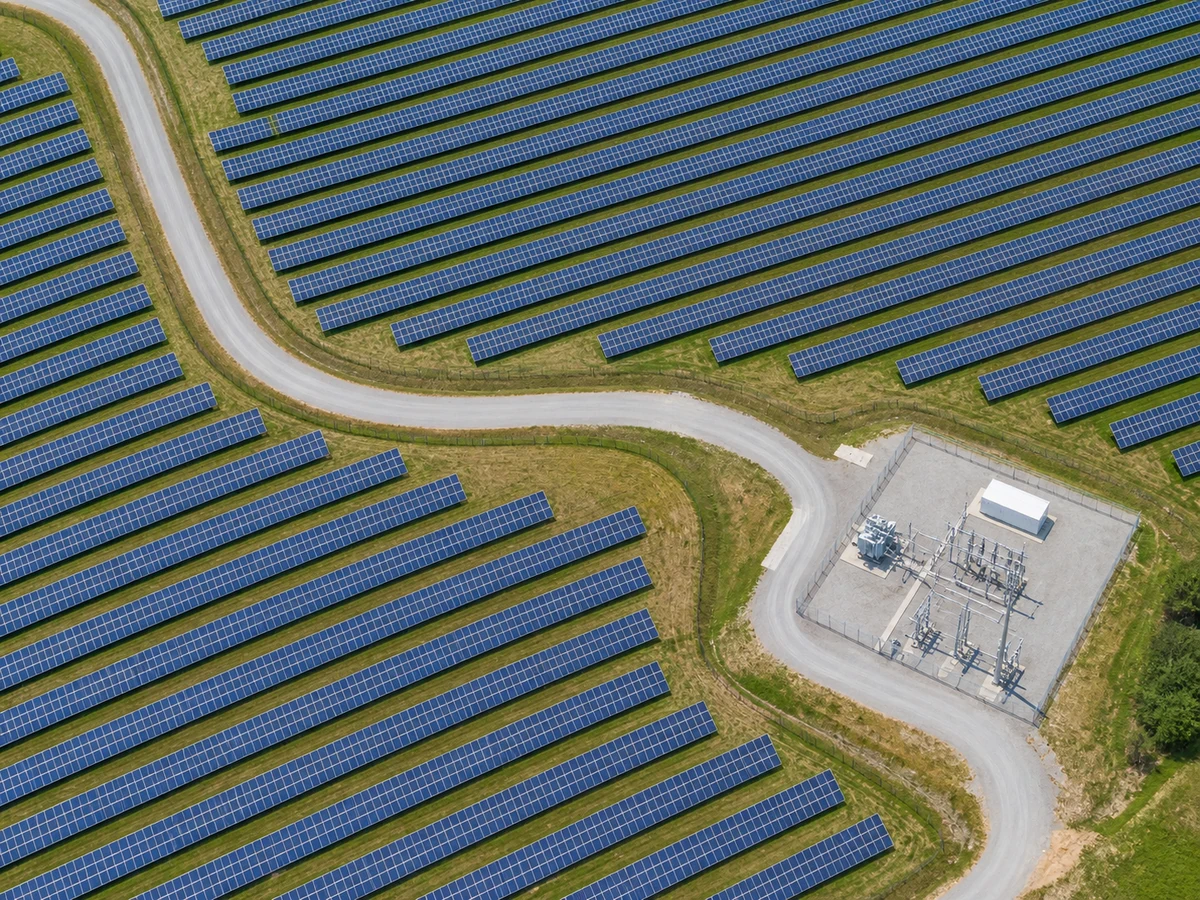
Technology assessment
We assess whether the technology selected — panel, turbine, inverter, battery chemistry or balance-of-plant equipment — is mature and proven at the scale proposed, checking track record, bankability and known failure modes against the manufacturer's claims. Where a technology is genuinely novel or has limited operating history, we say so plainly rather than assuming maturity, since that's exactly the kind of risk a lender or investor is paying for independent eyes to catch.
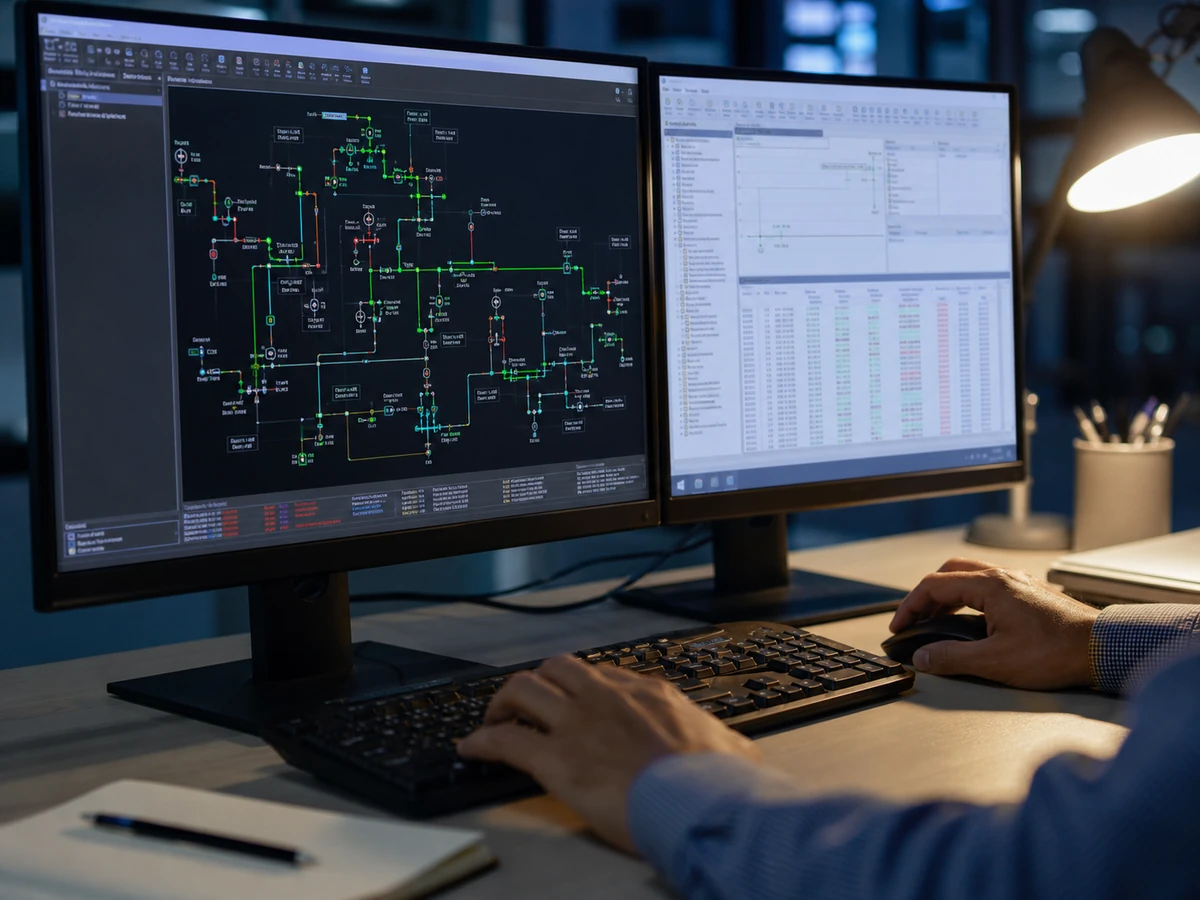
Risk register
Technical, cost and schedule risks identified through the review are captured in a structured risk register, each rated for likelihood and impact and linked back to the specific finding that raised it. We prioritise the register so the client can see immediately which risks are material to the investment decision and which are minor items for the project team to track, rather than a flat list that treats every finding as equally urgent.
DD report
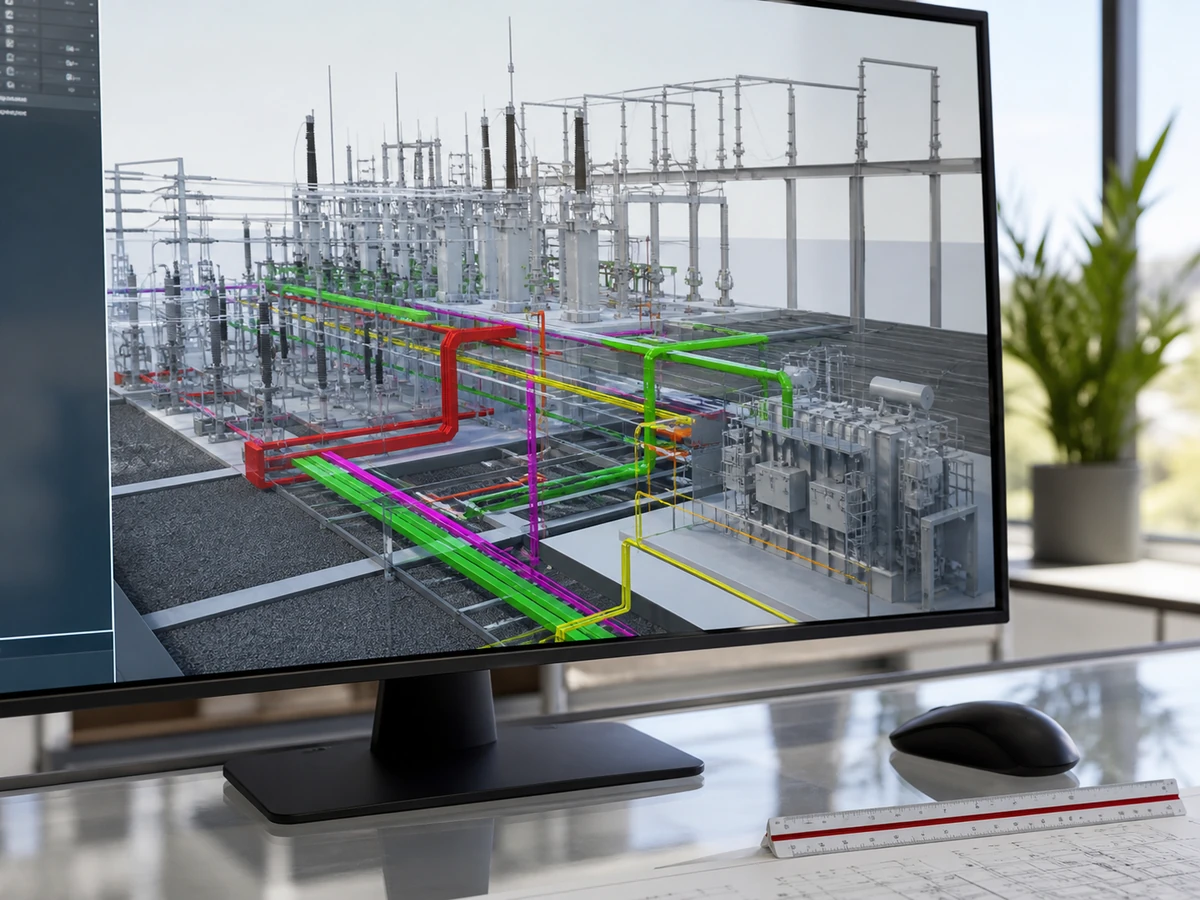
Findings are consolidated into a clear, prioritised due diligence report structured around the questions a lender or investor actually needs answered — is the design sound, is the technology proven, what are the material risks — rather than a page-by-page walkthrough of every document reviewed. Each finding states the issue, its significance and our recommendation, so the report can be acted on directly rather than requiring further interpretation.
Need this?
Share your requirements and we'll respond with a defined scope, programme and fixed fee — typically within two working days.
Request a proposal